

A complete AC tune up checklist covers the thermostat, electrical connections, capacitor and contactor, motor amps, both coils, refrigerant readings, the condensate drain, the filter and the temperature split. In the Rio Grande Valley, book it between February and early April, before the first 100°F week turns a weak part into a breakdown.
A good checklist does one thing: it finds small problems early. Here, the first real heat can arrive in April. A spring visit gives a technician the chance to clean what the winter left behind, test the parts that wear out, and confirm the system is ready to run for months with few breaks.
Not every "tune-up" covers the same ground, though. Below is what a complete spring service includes, what you can do yourself in between, and how to tell whether a visit was thorough.
What a thorough technician visit covers
Use this table as your checklist. A complete spring tune-up touches every line on it.
| Area | What gets checked | Why it matters before summer |
|---|---|---|
| Thermostat | Settings, batteries, cooling call, wiring at the terminals | A faulty call can keep a healthy system from starting |
| Electrical | Disconnect, wire connections, signs of heat or corrosion | Loose connections overheat under heavy summer load |
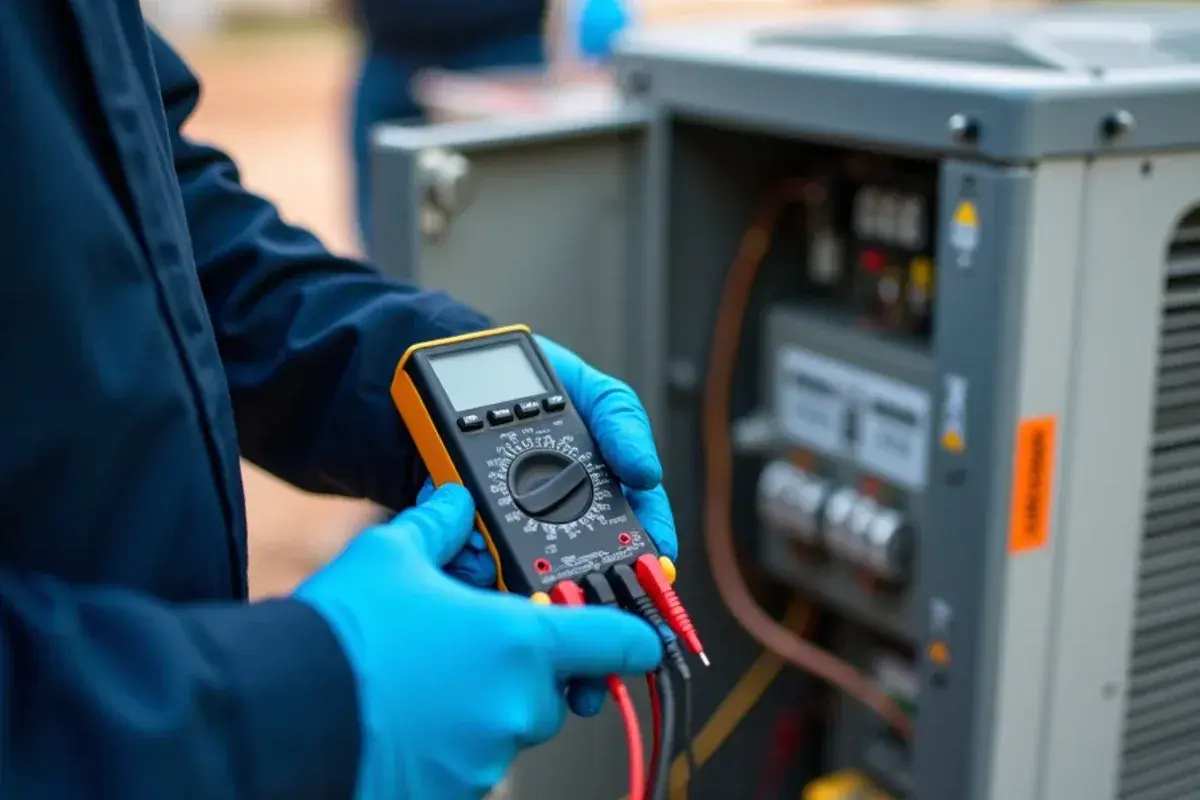
| Capacitor | Microfarad reading compared with its rating | Weak capacitors are a top cause of no-start calls in heat |
| Contactor | Contact surfaces, pitting, ant or debris inside | Burnt or blocked contacts stop the outdoor unit |
| Motors | Amp draw on the compressor and fans, bearing noise | High draw is an early warning of failure |
| Condenser coil | Dust, grass, debris; rinse or chemical wash | A clean coil sheds heat and lowers pressure |
| Indoor coil and blower | Visible dirt, blower wheel buildup | Restricted airflow cuts cooling and can freeze the coil |
| Refrigerant | Pressures, superheat or subcooling, signs of oil at joints | Confirms the charge is right and flags possible leaks |
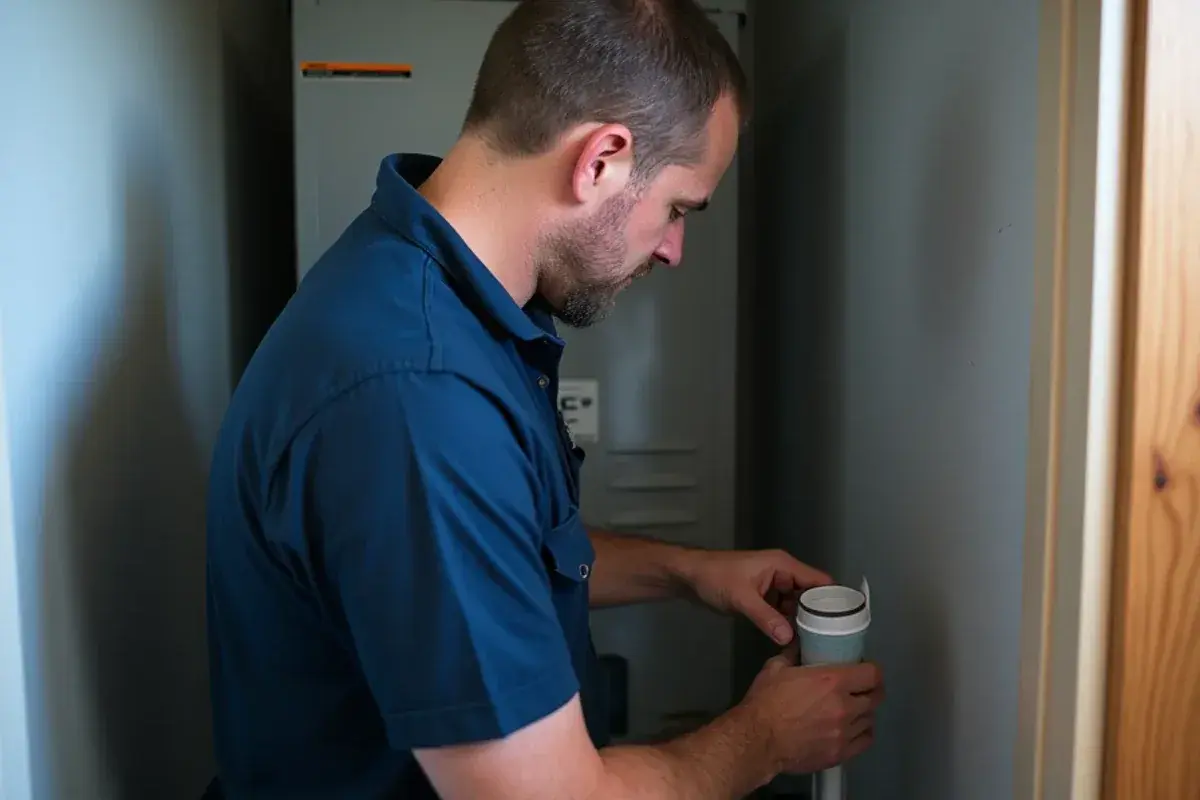
| Condensate drain | Flush, trap, float switch test | Clogs cause water damage once humidity rises |
| Air filter | Condition and size; replace or advise | Dirty filters choke airflow |
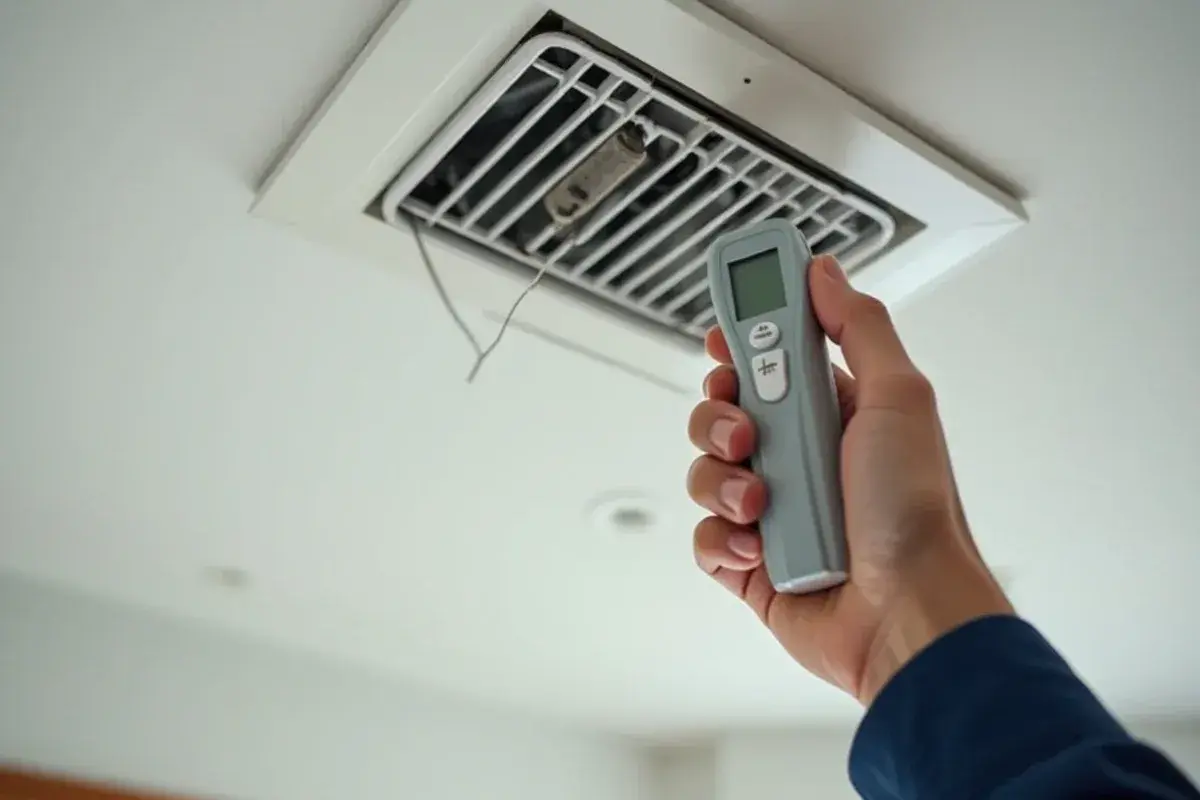
| Temperature split | Supply versus return air temperature | Quick reading on how well the system is cooling |
The parts that fail first in Valley heat
Some components wear predictably here, and a spring visit should give them extra attention.
Capacitors
The capacitor gives the compressor and fan motor the electrical boost they need to start. Heat breaks them down, and a weak one can go unnoticed until the hottest afternoon of the year. Measuring the actual microfarad value against the rating on the label is the only reliable test.
Contactors
The contactor is a switch that turns the outdoor unit on when the thermostat calls. Its contacts pit and burn over time, and fire ants love to crowd into them. A spring look-over catches both.
Condensate drains
The drain carries the water your system pulls out of indoor air. Over winter it can dry out, then clog with algae once humid weather returns. Flushing it and testing the float switch prevents a ceiling stain in June.
Refrigerant checks done the right way
A technician should not add refrigerant just because a system "seems low." The right method is to measure pressures and calculate superheat or subcooling, the readings that show whether the charge matches what the manufacturer specifies for the conditions that day.
A low reading means refrigerant is escaping somewhere, since a sealed system does not consume it. Topping off without finding the leak only delays the problem. Older systems running R-22 face an added issue: production of that refrigerant ended in the US in 2020, so remaining supply is limited and recharging is harder. Under EPA Section 608, refrigerant may only be handled by certified technicians, so this is never a DIY task.
What homeowners can do before the visit
You can take care of a few things on your own and make the visit more useful.
- Change or check the filter. Start the season with a clean one in the correct size.
- Clear around the outdoor unit. Trim grass, weeds and brush, and rake out leaves that collected over winter.
- Run a test early. On a mild day in March, switch to cooling and listen. Note any odd sounds, smells or slow cooling to tell the technician.
- Check the drain outlet. Find where the condensate line exits outside and make sure it is not buried or blocked.
- Look at the thermostat. Replace batteries if it uses them.

Leave the panels on
Homeowner prep stops at the outside of the unit. Do not remove electrical covers or touch capacitors, which can hold a dangerous charge even with the power off.Making tune-ups automatic
Once a year is the minimum for most Valley homes, and many benefit from a second visit in late summer. A maintenance plan schedules those visits for you ahead of time and keeps a record of readings from year to year. Those records help spot a capacitor or motor drifting toward failure.
Our AC maintenance service handles central systems, mini-splits and package units. We cover homes across Starr County from our Rio Grande City base, and we also serve subdivisions farther east such as Palmview, where many builder systems from the 2000s and 2010s now benefit from closer attention each spring.
Reading the results: replace now, or watch it?
A tune-up produces numbers. What matters is what the technician does with them, and this is where honest advice and an upsell can sound alike. The readings below are the ones that usually lead to a decision.
- Capacitor below its rating. Every capacitor is printed with a microfarad value and a tolerance, often a few percent either way. One that reads below that range is failing and will usually not last a Valley summer. One that reads inside it, even slightly low, can be noted and checked again next year.
- Pitted or burned contactor. Light pitting is normal wear. Contacts that are deeply cratered or welded at the edges can stick closed or fail to close, so replacement before summer makes sense.
- Compressor amps climbing year over year. A single high reading on a hot afternoon with a dirty coil means little. A rise across two or three visits on a clean coil is a trend worth acting on, which is why written records matter.
- Refrigerant off target. Superheat or subcooling outside the maker's range calls for a leak search, not a top-off. On newer systems that use R-454B or R-32, which are rated mildly flammable, handling also calls for the right tools and procedures.
- A shrinking temperature split. Supply air not much colder than the return, with normal pressures, usually points to airflow: filter, blower wheel or ducts.
An honest trade-off sits in item 1. Swapping a capacitor that still reads inside tolerance costs a part you may not need yet. Waiting risks a no-cool call in August. A clear answer gives you the reading, the rating and the choice. If a visit ends with a list of add-ons and no readings behind them, ask for the numbers.
How to tell if your tune-up was thorough
After the visit, you should be able to answer yes to these questions:
- Did the technician measure the capacitor and amp draw rather than just look?
- Was the outdoor coil cleaned, not just glanced at?
- Was the drain line flushed?
- Did you get readings or notes on refrigerant performance?
- Were any worn parts explained, with the choice to replace now or watch?
Ready before the heat
Spring is the easiest time to fix an air conditioner. The weather is mild, schedules have room, and a weak part can be replaced before it strands you in a heat wave. Change the filter, clear the yard around the condenser, and book the visit early, and your system will start summer clean, tested and ready. To book a spring visit, call 956 Multi Service at (213) 423-7827; mention the town and whether it is central air, a heat pump or mini-splits.