

Smart thermostat installation in Rio Grande City sounds like a five-minute swap, and sometimes it is. More often, the job turns on a few details that the box does not mention: whether there is a C-wire, whether the system is a heat pump, how the old thermostat was wired, and where on the wall it is mounted. Get those right and a Wi-Fi thermostat can cut needless runtime through a long cooling season. Get them wrong and it drops offline, short-cycles or never calls for cooling at all.
We install Wi-Fi and programmable thermostats, run new thermostat wire when it is needed, and track down thermostat problems that turn out to be something else in the system.
Will a smart thermostat work with my system?
Most homes here can use one. The table below covers the setups we see most often.
| What you have | Smart thermostat fit | What to check |
|---|---|---|
| Central AC with electric heat strips or a gas furnace | Good | C-wire, fan wire, heat type set correctly |
| Heat pump | Good, with careful setup | Reversing valve terminal (O/B), backup heat (AUX/W2) |
| Two-stage or variable-speed system | Depends on model | Matching stage terminals, communicating controls |
| Ductless mini-split | Not with a standard wall thermostat | Manufacturer Wi-Fi module or a dedicated smart controller |
| Line-voltage wall heaters | No | These need a special thermostat |
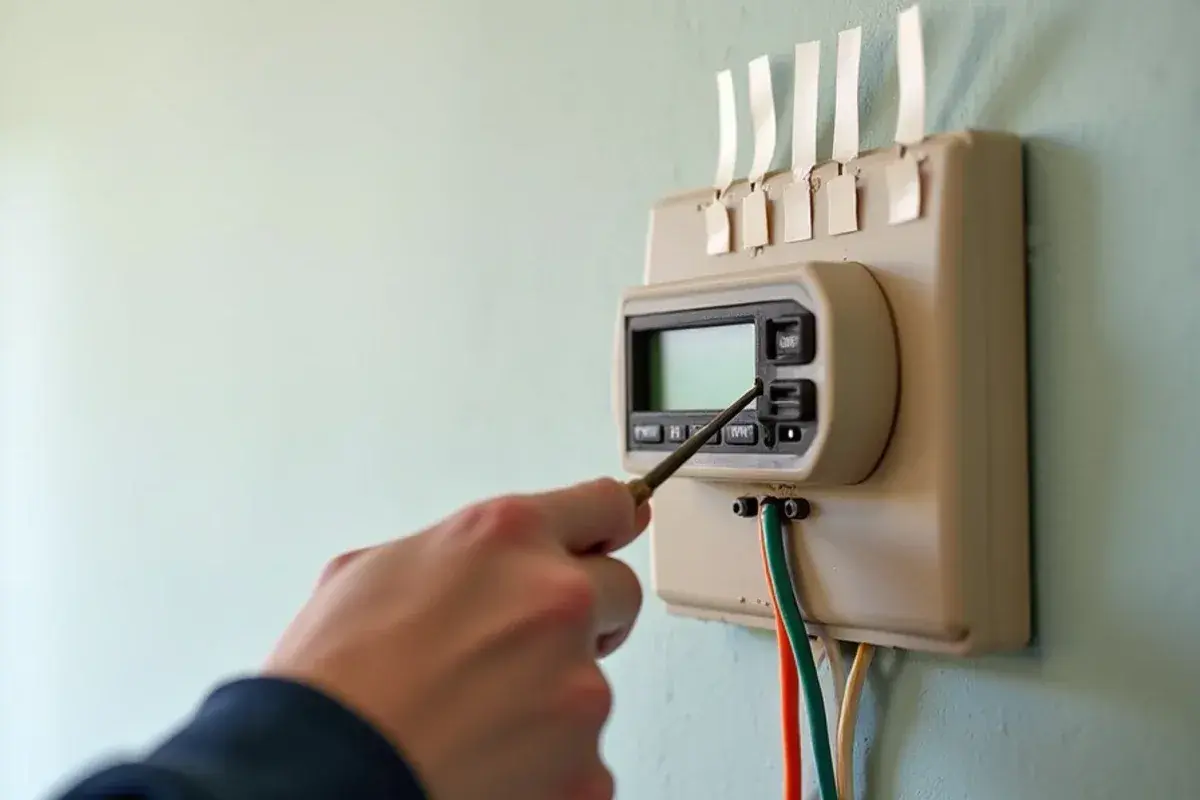
If you have already bought a Nest, ecobee or another brand, tell us the model when you call so we can check it against your equipment first. If you are buying new, we can help you pick one that fits the system.
Fixing the missing C-wire
Older thermostats ran on batteries or needed only two to four wires. A Wi-Fi thermostat needs steady power for its screen and radio, and the C-wire, or common wire, is what supplies it from the 24-volt transformer in the air handler.
Without it, some thermostats try to borrow power through the cooling or heating wire. That can work for a while, then cause random reboots, dropped Wi-Fi, clicking relays, or a system that turns on and off in short bursts.
There are three usual fixes:
Use a spare wire already in the wall
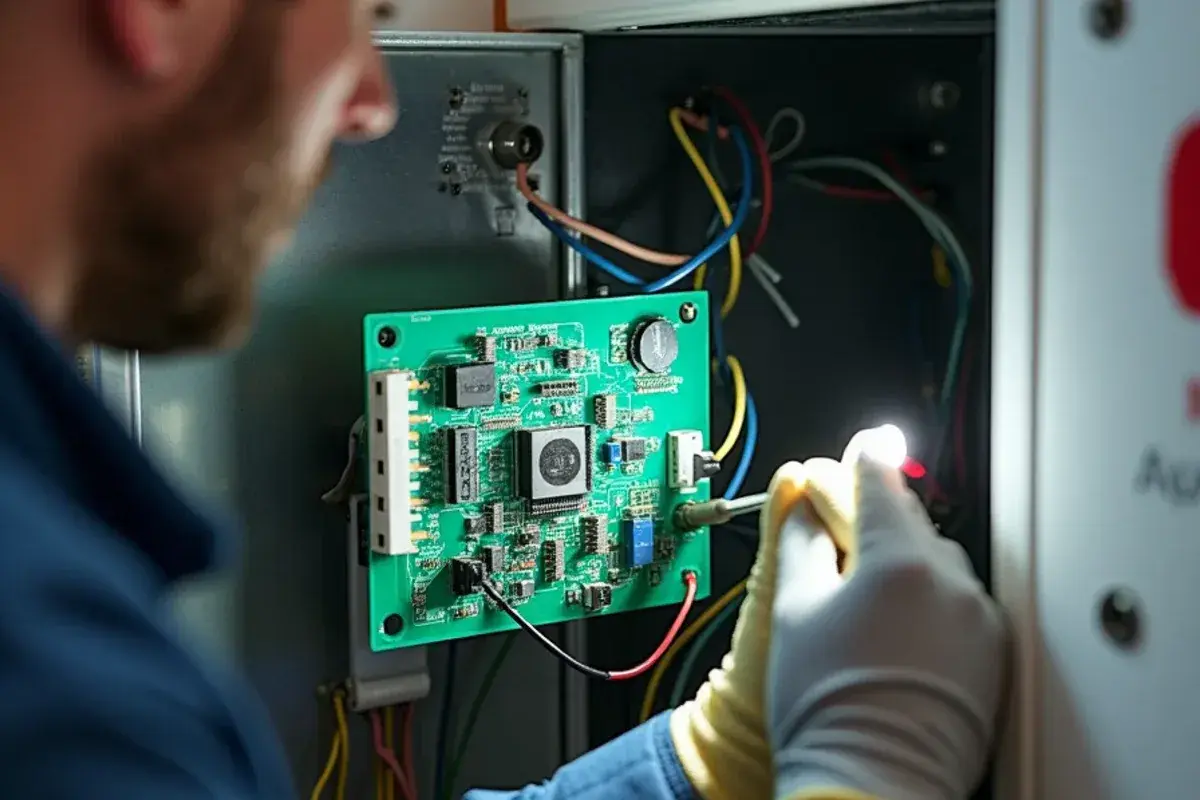
Many bundles have an unused conductor folded back behind the plate. We connect it to C at the thermostat and at the air handler control board.
Run new thermostat cable
When there is no spare, a new cable is pulled from the air handler to the thermostat. In frame homes this is usually done through the attic. In block homes with no hollow wall, we may need a short surface raceway or a different mounting spot.
Add an adapter kit
Some thermostat makers include a power adapter that is installed at the air handler and creates a C connection over the existing wires.
Which Wi-Fi thermostat features earn their keep here?
Long cooling seasons and humid stretches near the river make some features more useful than others:
- Schedules and away settings. Letting the house drift warmer while everyone is at work or school is where most savings come from. The U.S. Department of Energy estimates that a 7 to 10 degree setback for eight hours a day can trim heating and cooling costs by as much as 10% a year.
- Remote access. You can raise the setpoint if plans change, or cool the house before you drive back in from out of town.
- Humidity reading. Seeing indoor humidity helps you spot a system that is cooling but not drying the air, which is often a sizing or airflow problem.
- Runtime reports and filter reminders. A sudden jump in runtime is an early sign the system needs service.
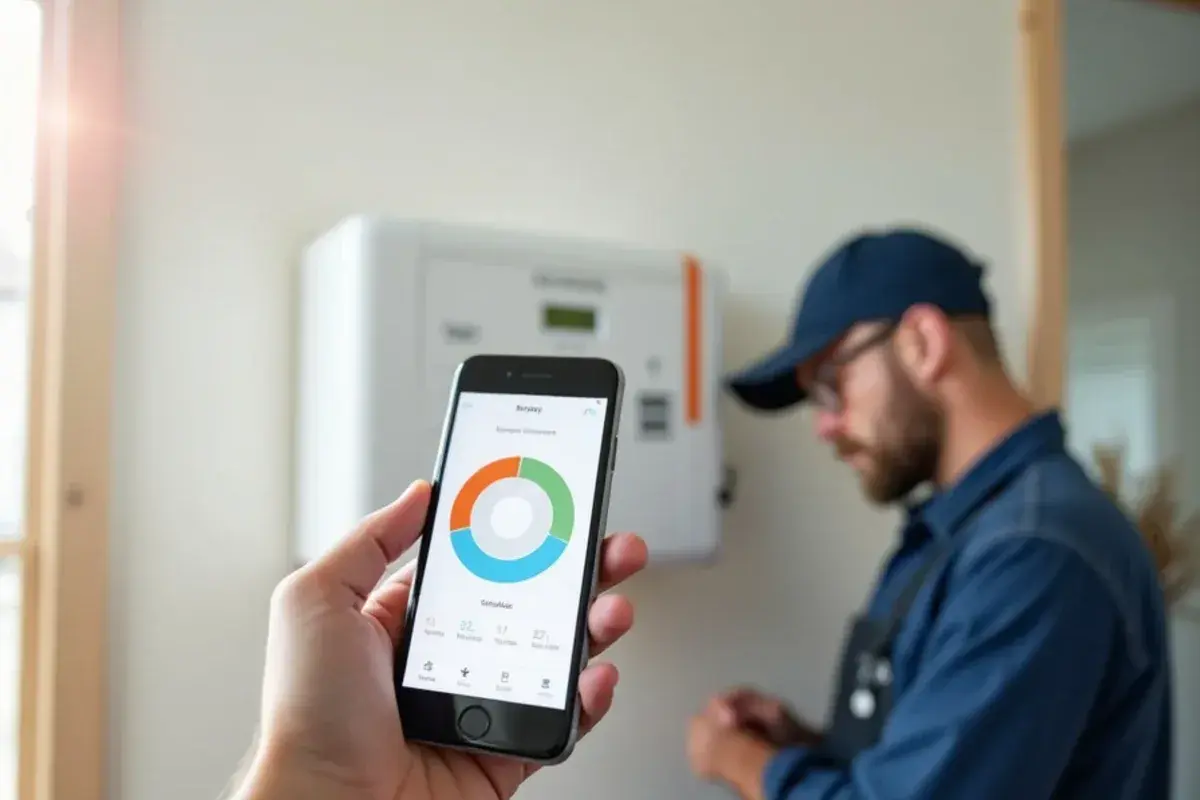
Placement matters as much as features. A thermostat in afternoon sun, beside a supply vent, near the kitchen or on an outside wall reads the wrong temperature and runs the system on bad information. We will suggest moving it if the current spot is a problem.
When the thermostat seems broken but isn't
A blank or unresponsive thermostat is one of the most common calls. Before replacing it, check the batteries if it uses them, and make sure the breaker and the switch at the air handler are on.
Beyond that, the cause is often elsewhere:
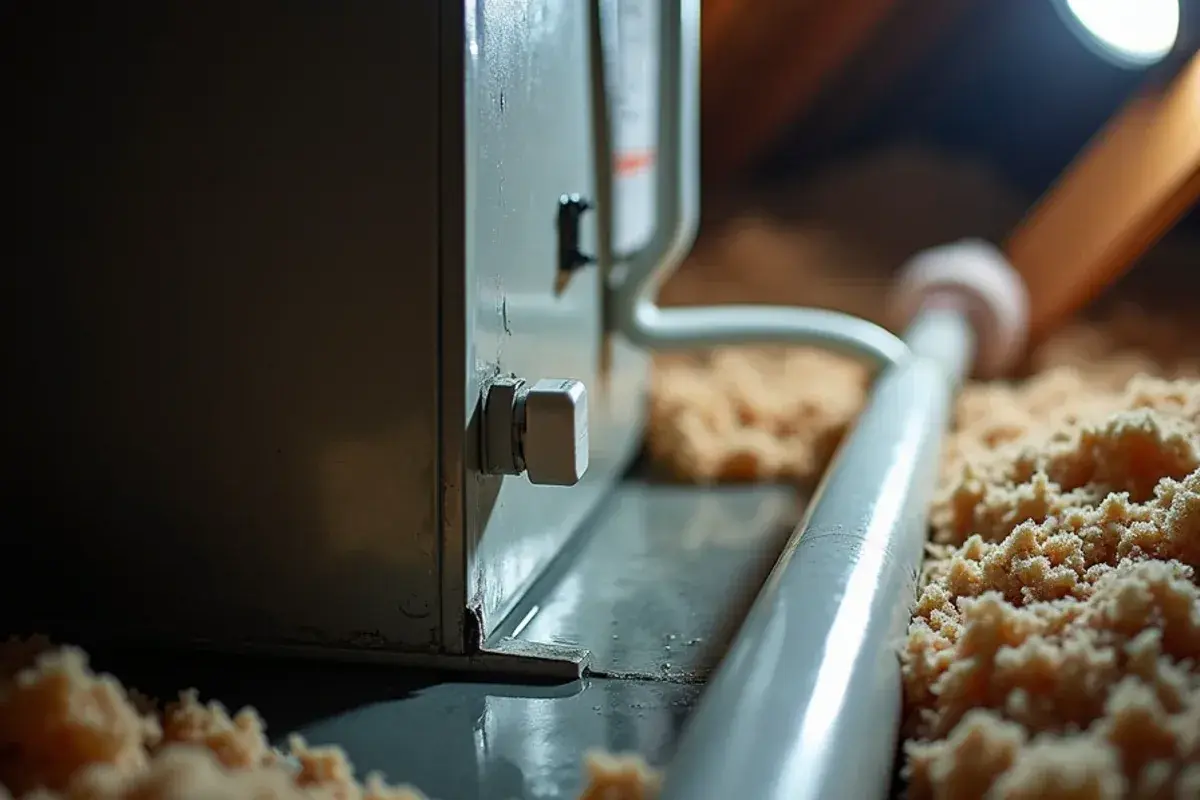
- A tripped float switch on a clogged condensate drain cuts power to the thermostat on purpose to prevent a water leak. Our AC drain line repair page explains that fix.
- A blown low-voltage fuse on the control board, often from a chafed thermostat wire touching metal.
- A loose wire at either end.
- A heat pump setting entered wrong, which can make the system heat when it should cool.
If the thermostat checks out and the system still is not cooling, it becomes an AC repair call, and we diagnose the equipment the same visit when time allows.
Signs the old thermostat should go
- The room feels several degrees off from what the screen says, even away from sun and vents.
- The system short-cycles or keeps running after reaching the setpoint, with the equipment testing fine.
- It is a dial model with a glass bulb inside, which means a mercury switch and no scheduling at all.
- Buttons or the screen respond only some of the time, or settings vanish after a power blip.
The install visit and what affects the cost
A thermostat install follows the same order every time:
- Identify the system. Straight AC, heat pump, gas furnace or multi-stage, read from the equipment, not guessed from the old thermostat.
- Check wiring at both ends. Every conductor gets traced from the wall to the air handler control board, and each one is tagged before anything is disconnected.
- Sort out power. A spare conductor, a new cable or an adapter kit gives the new unit a C-wire if it needs one.
- Mount and level. The base goes on a spot that reads true room temperature, and the old screw holes are covered or patched.
- Configure and test. System type, O/B reversing valve, aux heat and fan settings get entered, then cooling, heating and fan each run.
- Connect and hand over. We put it on your Wi-Fi and walk you through the app and schedule before leaving.
Heat pump owners can learn more about backup heat settings on our heat pumps page.
The price depends on a few variables:
- The thermostat itself. One you already bought, or one we supply to match the system.
- Wiring. Whether a spare conductor exists, or a new cable has to run through an attic or along a block wall.
- Adapter kits and modules. A C-wire adapter, or a Wi-Fi module for a mini-split, adds parts.
- System complexity. Heat pump, multi-stage and zoned systems take more setup and testing.
- Moving the location. A thermostat moved off a sunny wall leaves an old opening to patch, which our handyman side can close and paint.
- Repairs found along the way. A blown low-voltage fuse or a tripped float switch gets fixed and priced separately.
Thermostat warranties come from the manufacturer, so keep the box and receipt.
Thermostat rules: TDLR, wiring voltage and mercury disposal
In Texas, installing or repairing the controls on heating and AC equipment for pay is part of the work licensed by TDLR's Air Conditioning and Refrigeration program, and you can look up any contractor's licence on the TDLR site. Standard thermostats run on a 24-volt low-voltage circuit from the air handler. Line-voltage thermostats on electric wall heaters carry 120 or 240 volts and are treated as live electrical work.
Old dial thermostats with a glass bulb hold a mercury switch, which belongs in recycling, not the trash. The Thermostat Recycling Corporation, a nonprofit funded by thermostat makers, takes wall-mounted mercury thermostats free at collection sites you can find by ZIP code, and county household hazardous waste days are another option.
Why call 956 Multi Service for a thermostat
956 Multi Service is a local Rio Grande City outfit, open since July 2024, and the technician who mounts the thermostat can also test the equipment it controls.
- One visit, whole system. If the thermostat turns out fine, a drain, fuse or equipment problem can be diagnosed the same trip.
- Fast scheduling. Thermostat swaps are often done the same day you call, as long as the schedule has room.
- Rated by neighbors. 41 Google reviews, averaging 5.0.
- Hours and payment. Phone us Monday through Saturday between 8 AM and 7 PM; we take cash and all major cards, and financing is available on bigger system work.
Google reviews that mention work like smart thermostats
5.0 out of 5 from 41 Google reviews
“Both gentlemen arrived punctually and were exceptionally well mannered and explained the whole process. They diligently completed the service I needed and delivered an exceptional job! I will definitely reach out to them again for any future work I may need. Highly recommend!”
Response from the owner: Thank you 💯
“Great service!! They were very responsive and helpful, and they were able to resolve my issue quickly. I would definitely recommend this company to others.”
“Great work, very detailed, clean and efficient job well done. 10/10 would recommend anyone needing minisplit work or any other work around the house.”
Smart thermostat questions we hear in Rio Grande City?
Will a smart thermostat work with my older AC system?
Usually, yes. Most central air conditioners, heat pumps and furnaces use 24-volt controls, which is what smart thermostats are built for. The things to check are whether a C-wire is available, whether the system is a heat pump that needs the reversing valve and backup heat set correctly, and whether it has more than one stage. Ductless mini-splits are the exception, since they use their own controllers or a Wi-Fi module.
What is a C-wire and do I need one?
The C-wire, or common wire, completes the 24-volt circuit so the thermostat gets steady power instead of relying on batteries or borrowing power from the cooling call. Most Wi-Fi thermostats either need one or work much better with one. If your wall bundle has a spare wire, it can often be connected at both ends. If not, a new cable or an adapter kit at the air handler solves it.
Can you install a smart thermostat I already bought?
Yes. Tell us the brand and model when you call, and we check it against your system before the visit, since some models don't support every heat pump or multi-stage setup. If it fits, we wire, mount and configure it like one we supplied. If it doesn't, you hear that before the old thermostat comes off the wall, so you can return it.
Why does my Wi-Fi thermostat keep going offline?
Most often it isn't getting steady power. Without a C-wire, many smart thermostats borrow current through the cooling or heating wire and reboot when it runs short, dropping off Wi-Fi each time. A weak signal is the other usual cause, because solid block walls between the router and a hallway thermostat soak up Wi-Fi. A C-wire fix or a router or extender move usually settles it.
What thermostat setting saves the most during Valley summers?
The Department of Energy suggests about 78°F while you are home and awake, and a higher setting while the house is empty. Ceiling fans let most people stay comfortable a few degrees warmer. Avoid very large setbacks on humid days, because the house can collect moisture while the system is off. Setting the thermostat lower does not cool the house faster, it just runs longer.
Still have a question about smart thermostats? Ask us directly.
Call (213) 423-7827Where we handle smart thermostats
- Smart Thermostats in Escobares, TXBlock walls with no hollow cavity mean new thermostat wire often runs in a neat surface raceway.
- Smart Thermostats in Garza-Salinas II, TXMini-splits common on close-set lots use Wi-Fi modules or dedicated controllers instead of a wall thermostat.
- Smart Thermostats in Edinburg, TXLandlords with rental and student housing use Wi-Fi thermostats to spot runtime jumps before tenants call.
- Smart Thermostats in Las Lomas, TXRuntime reports flag a caliche-clogged coil early, when the unit starts running longer for the same comfort.
- Smart Thermostats in Roma, TXThick masonry walls in older homes make wire routing the deciding factor in where a thermostat can go.
- Smart Thermostats in Salineño, TXWeekend houses that sit closed for weeks benefit from remote checks on temperature and humidity.
- Smart Thermostats in Zapata CountyLake houses around Falcon Reservoir sit idle for weeks, so remote setpoints and humidity alerts earn their keep.
- Smart Thermostats in Mission, TXWinter Texans heading north for summer can hold a safe away setting and watch indoor humidity from the app.
- Smart Thermostats in Sharyland, TXLarger two-story homes with zoning need thermostats wired for each zone and for staged equipment.