
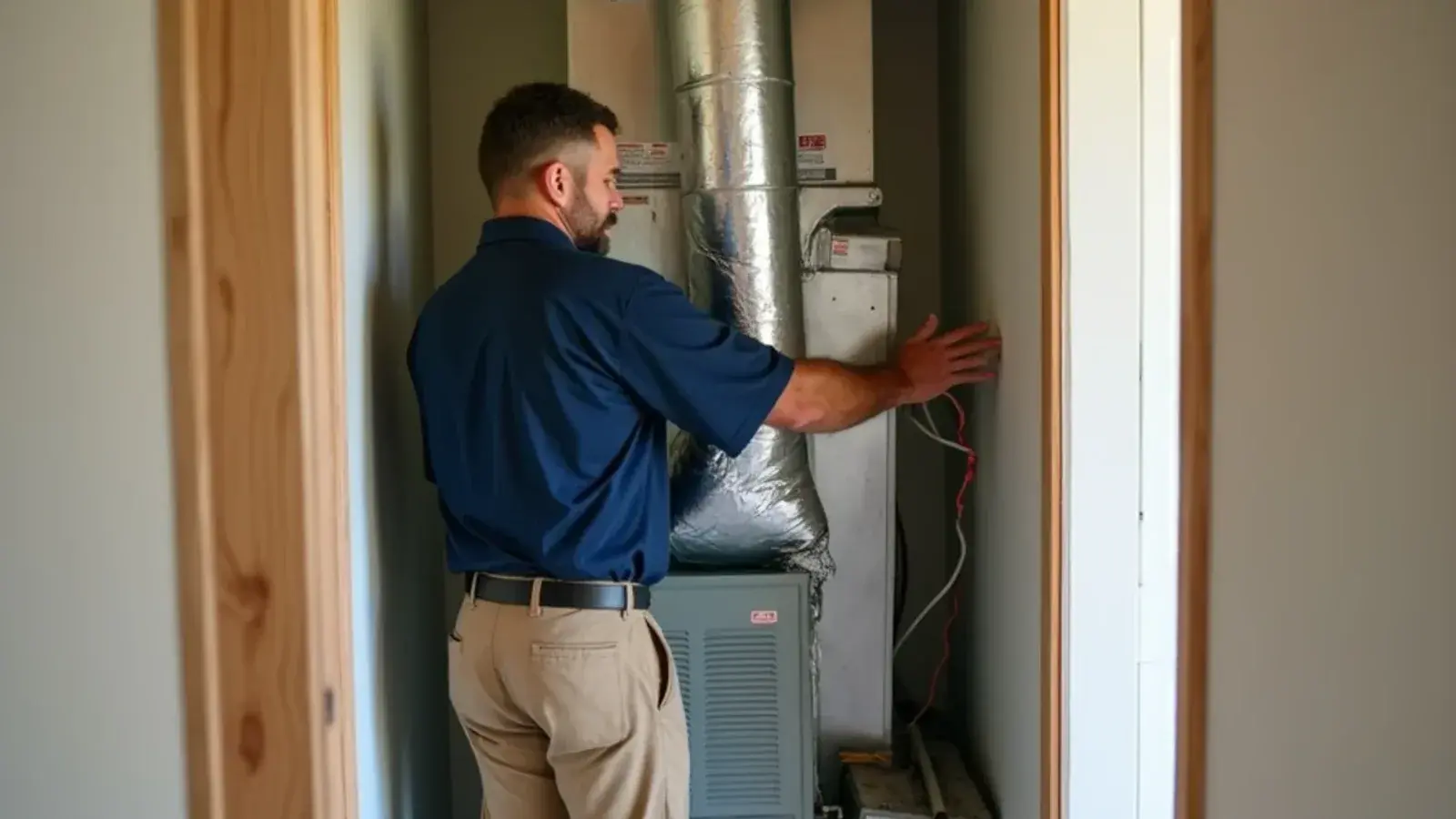
A new heater in this part of Texas rarely means a stand-alone box. For most Rio Grande City homes, heating installation means a new heat kit in the air handler, a replacement furnace, or a heat pump that takes over both heating and cooling. The right choice depends on the equipment already in the closet, the wiring feeding it and how you'd like your winter electric bill to look.
If you only need a broken part fixed, our heating repair service is the better starting point.
Heat strips, gas furnace or heat pump?

Electric heat kit (often called an electric furnace)
An "electric furnace" in the Valley is usually an air handler with a heat strip kit inside it. The coils warm the air as the blower pushes it into the ducts. It works no matter how cold it gets outside, it has few moving parts and it costs the least to put in. The trade-off is electricity: strips are one of the hungriest loads a house can run.
Gas furnace
Where a home already has natural gas or propane and a flue, a gas furnace delivers strong heat without that heavy electric draw. It also adds equipment to care for, including burners, an ignitor, venting and a carbon monoxide risk that needs a working CO alarm.
Heat pump
A heat pump moves heat instead of making it, so it uses much less power per unit of warmth than strips. It also replaces the AC. In a hard freeze it leans on backup strips, which is why most heat pump systems here still include a heat kit. Our heat pump page covers this in detail.
| Option | Upfront cost level | Winter running cost | Best fit |
|---|---|---|---|
| Electric heat kit | Lowest | Highest | Homes keeping a straight AC, light heating needs |
| Gas furnace | Moderate | Moderate, depends on gas rates | Homes with gas service and an existing flue |
| Heat pump with backup strips | Highest | Lowest in mild cold | Owners replacing the AC anyway |
| Mini-split heat pump | Varies by zones | Low | Additions, single rooms, manufactured homes |
For rooms that were never on the central system, a ductless mini-split with heat pump mode is often the cleanest answer.
When does new heat make more sense than another repair?
- The same part keeps failing. A third burnt element or a yearly sequencer points to a worn kit or one wrong for its circuit.
- The AC is being replaced. On most Valley systems the strips live in the air handler, so a new indoor unit is the natural time to choose the heat.
- The furnace fails its safety checks. A cracked heat exchanger, a rusted flue or a burner that won't hold a clean flame ends the repair conversation.
- The house never had real heat. Homes that relied on space heaters can add a heat kit or a mini-split heat pump.
- A freeze exposed the gap. Rio Grande City sat at 25°F on two January mornings in 2026, according to the National Weather Service, and undersized or half-working heat had nowhere to hide.
The repair history and what a fix would buy you count for more than the date on the old unit.
Sizing the system to your house and your wiring
Picking a heater by guess is how homes end up with tripping breakers or cold back bedrooms. We look at four things before recommending equipment.
How the house loses heat. Block walls, single-pane windows, attic insulation depth and room additions all change how much heat escapes on a cold night. We do a load estimate rather than copying the old unit's size.
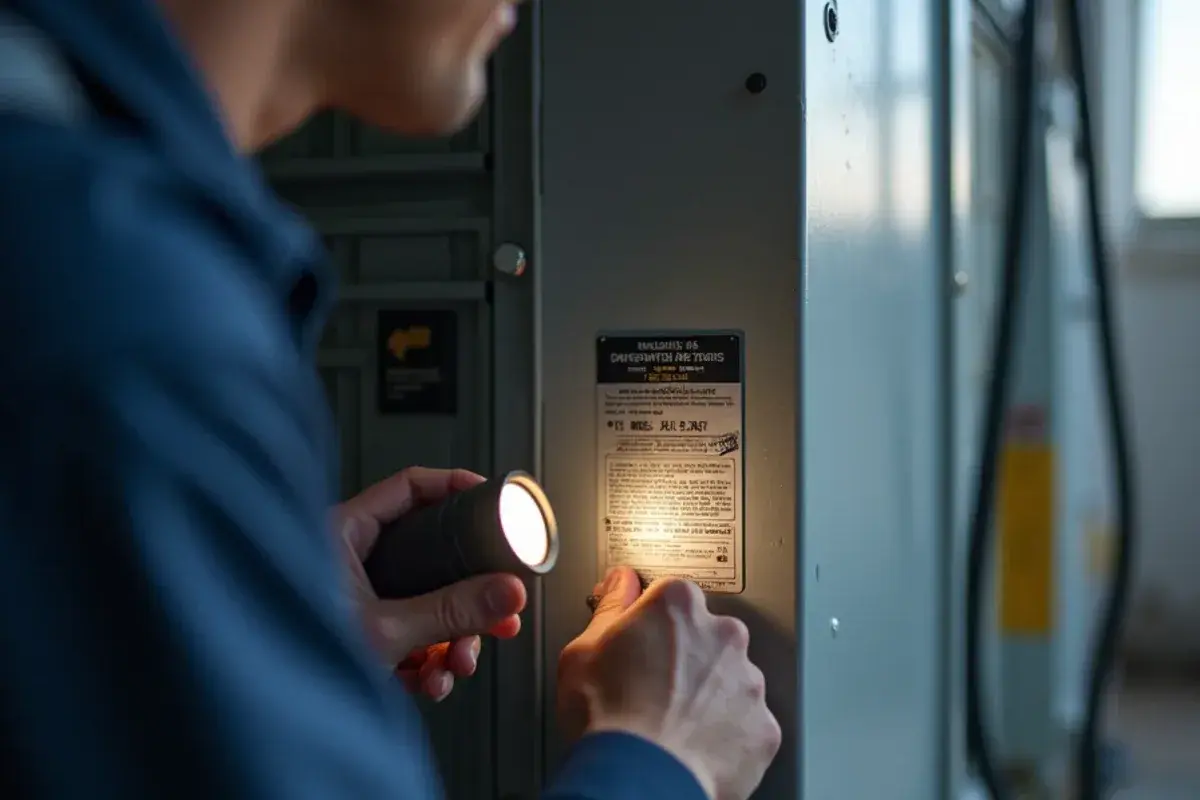
What the air handler allows. Every air handler model has a list of approved heat kit sizes. Installing a kit that isn't on that list can void the manufacturer warranty and overheat the cabinet.
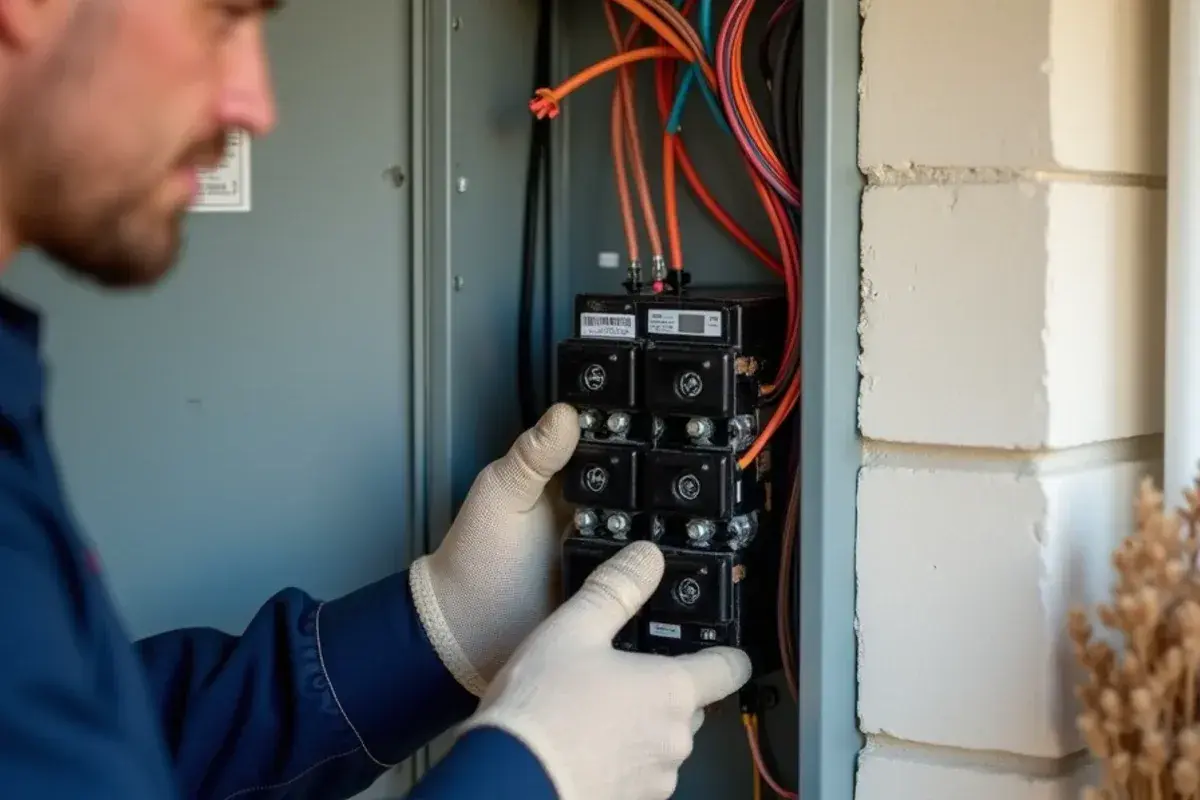
What the electrical system can carry. A bigger kit needs heavier wire and a matching breaker, and older panels may not have room. We check the panel before quoting, not after.
What the ducts can deliver. Leaky or crushed attic ducts waste heat the same way they waste cooling. If we see a problem, we'll point you to ductwork repair and sealing before you pay to heat the attic.
Gas furnaces add their own design work: gas line size, venting route, combustion air and, on high-efficiency models, a condensate drain.
From first visit to first warm night
Assessment and options
We look at the current equipment, the closet or attic, the wiring and the ducts, and talk through how you use the house in winter. You get written options with the equipment named.
Installation day
Install day runs in this order:
- Shut-off and removal. Power and any gas get shut off, and the old equipment is disconnected and carried out.
- New equipment set. The kit slides into its cabinet or the furnace is set level, using only a heat kit on the air handler's approved list.
- Wiring matched to the nameplate. Wire gauge and breaker size are checked against the kit's minimum circuit ampacity and maximum breaker rating.
- Air path sealed. Supply and return connections are sealed so warm air reaches the rooms.
- Gas and venting, where present. The flue is run and secured, and the gas connection is leak-tested before the burner ever lights.
- Thermostat wired for every stage. Heat, auxiliary and emergency heat terminals connected and labeled.
A heat kit swap is usually short work; a full system takes longer, and most are finished in a day.

Testing every stage
We run each heat stage and measure its current draw and the temperature rise across the air handler, then confirm the thermostat calls heat, auxiliary and emergency heat correctly. On gas we watch the burner flame and check that the flue is drafting.
Walk-through
Before we leave you'll know where the filter goes, which breakers feed the heat and what's normal on the first cold night, including that brief burning-dust smell.
Pricing factors for a new heating system
We quote each job after seeing it. The biggest swings come from:
- Equipment type and capacity. A heat kit, a gas furnace and a heat pump sit at very different levels, and larger sizes cost more within each type.
- Whether the air handler is replaced. Sometimes a new kit fits the existing cabinet; sometimes the cabinet is too old or not rated for it.
- Electrical upgrades. New wire, a larger breaker or panel work add labor and materials.
- Gas and venting changes. New gas piping or a new flue route add time.
- Duct repairs and access. Attic installs and damaged ducts take longer.
- Thermostat. Heat pumps and staged heat may need a compatible thermostat.
Payment can be cash or any of the major cards, and you can ask about financing for a full system. One change for 2026: the federal 25C energy credit no longer applies to heating equipment installed this year, because it stopped at the end of 2025. Utility or manufacturer rebates may still exist, and a tax preparer can tell you what applies to your return.
Warranty, permits and care after the install
New heating equipment carries the manufacturer's warranty, and many manufacturers require online registration within a set period after installation. Keep your paperwork and model numbers together. We don't offer a separate company warranty.
Some cities require permits for new gas lines or electrical circuits, so ask about it when comparing quotes. Federal rules shape the equipment itself: since 2023 the U.S. Department of Energy has required new split-system heat pumps to rate at least 14.3 SEER2 for cooling and 7.5 HSPF2 for heating. Under the EPA's AIM Act refrigerant rules, new systems have moved to lower-impact refrigerants such as R-454B and R-32, though R-410A equipment built before 2025 may still be installed, so ask which refrigerant a quote includes. Refrigerant work itself falls under EPA Section 608. Texas also requires anyone installing heating and air equipment for hire to hold a TDLR A/C contractor licence, which you can verify on TDLR's site.
After the install, change the filter on schedule, book a check each fall and keep a CO alarm near bedrooms if you heat with gas. A rotten-egg smell is never something to wait on: get out of the house first, then phone 911 or your gas company from the yard.
Choosing 956 Multi Service for a heating install
We're a small Rio Grande City company, opened in July 2024, and installs are a big share of the crew's work.
- Same-day when it fits. Like repairs, installs often happen the day you call if the calendar has an opening.
- Tidy installs. Customers mention clean work in their Google reviews, and all 41 of those reviews add up to a 5.0 rating.
- Warranty paperwork handled. We check model and serial numbers and walk you through the manufacturer's registration.
- Six days a week. Monday through Saturday from 8 AM to 7 PM.
- Financing on full systems. It sits alongside cash, Discover, Visa, MasterCard and American Express; read its terms before signing.
Google reviews that mention work like heating installation
5.0 out of 5 from 41 Google reviews
“Both gentlemen arrived punctually and were exceptionally well mannered and explained the whole process. They diligently completed the service I needed and delivered an exceptional job! I will definitely reach out to them again for any future work I may need. Highly recommend!”
Response from the owner: Thank you 💯
“Great service!! They were very responsive and helpful, and they were able to resolve my issue quickly. I would definitely recommend this company to others.”
“Great work, very detailed, clean and efficient job well done. 10/10 would recommend anyone needing minisplit work or any other work around the house.”
Which heating system is right for my home?
Should I choose heat strips, a gas furnace or a heat pump?
It depends on what your home already has and how you want to balance upfront cost against power bills. Heat strips are the simplest and least expensive to install but use the most electricity. A gas furnace makes sense where gas service and venting already exist. A heat pump costs more at first but uses far less power for heat and replaces your AC at the same time, with strips kept as backup.
Can heating be replaced at the same time as my AC?
Yes, and it is often the smartest time to do it. On most Valley systems the heat strips live inside the indoor air handler, so a new air handler usually comes with a new heat kit chosen for it. Doing both together means one visit, matched equipment, one set of wiring checks, and a single round of manufacturer warranty registration. It is also the natural moment to consider switching to a heat pump.
How long does a heating installation take?
A heat kit swap in an existing air handler is usually a few hours of work, testing included. A full furnace or heat pump system usually takes a day. Jobs run longer when the panel needs a new circuit, a gas line or flue has to be rerouted, or attic ducts need repair first, and you hear about any of those before the install date.
Can you add central heat to a house that has only used space heaters?
Often, yes. If the home already has a ducted central AC, adding a heat kit to the air handler is usually the simplest route, as long as the panel can carry the new circuit. Homes without ducts, including many block homes and room additions, usually do better with a mini-split heat pump in the rooms used most, which can also retire the window units.
What size heat strip does my home need?
Heat kits are sold by kilowatt rating, and the right size comes from three things: how much heat your home loses on a cold night, which kit sizes the air handler manufacturer approves, and what your wiring and breaker panel can carry. Oversizing wastes money and strains the circuit, while undersizing leaves rooms cold during a hard freeze. We check all three before recommending a size.
Still have a question about heating installation? Ask us directly.
Call (213) 423-7827Where we handle heating installation
- Heating Installation in Starr CountyStraight ACs with small heat kits are common, so an AC replacement is the time to rethink heat.
- Heating Installation in La Grulla, TXOlder frame houses with attic ductwork need duct repairs settled first, or the new heat warms the attic.
- Heating Installation in Escobares, TXBlock homes leaving window units behind can add a mini-split heat pump and gain winter heat in the same install.
- Heating Installation in Garceño, TXOlder ranch-style homes still on R-22 equipment usually replace the heat kit along with the outdoor unit.
- Heating Installation in West Alto Bonito, TXOwner-built additions need heat planned room by room, not stretched from old ducts.
- Heating Installation in B and E, TXHomes that grow one room at a time often heat the addition with its own ductless zone.
- Heating Installation in Palmview, TXBuilder systems from the 2000s and 2010s are reaching replacement age, heat kits included.
- Heating Installation in Alton, TXFast growth means new homes whose heat should be chosen with the panel and ducts in mind.
- Heating Installation in Peñitas, TXBuilder-grade systems in the newer subdivisions are coming due for their first heat kit or heat pump replacement.