
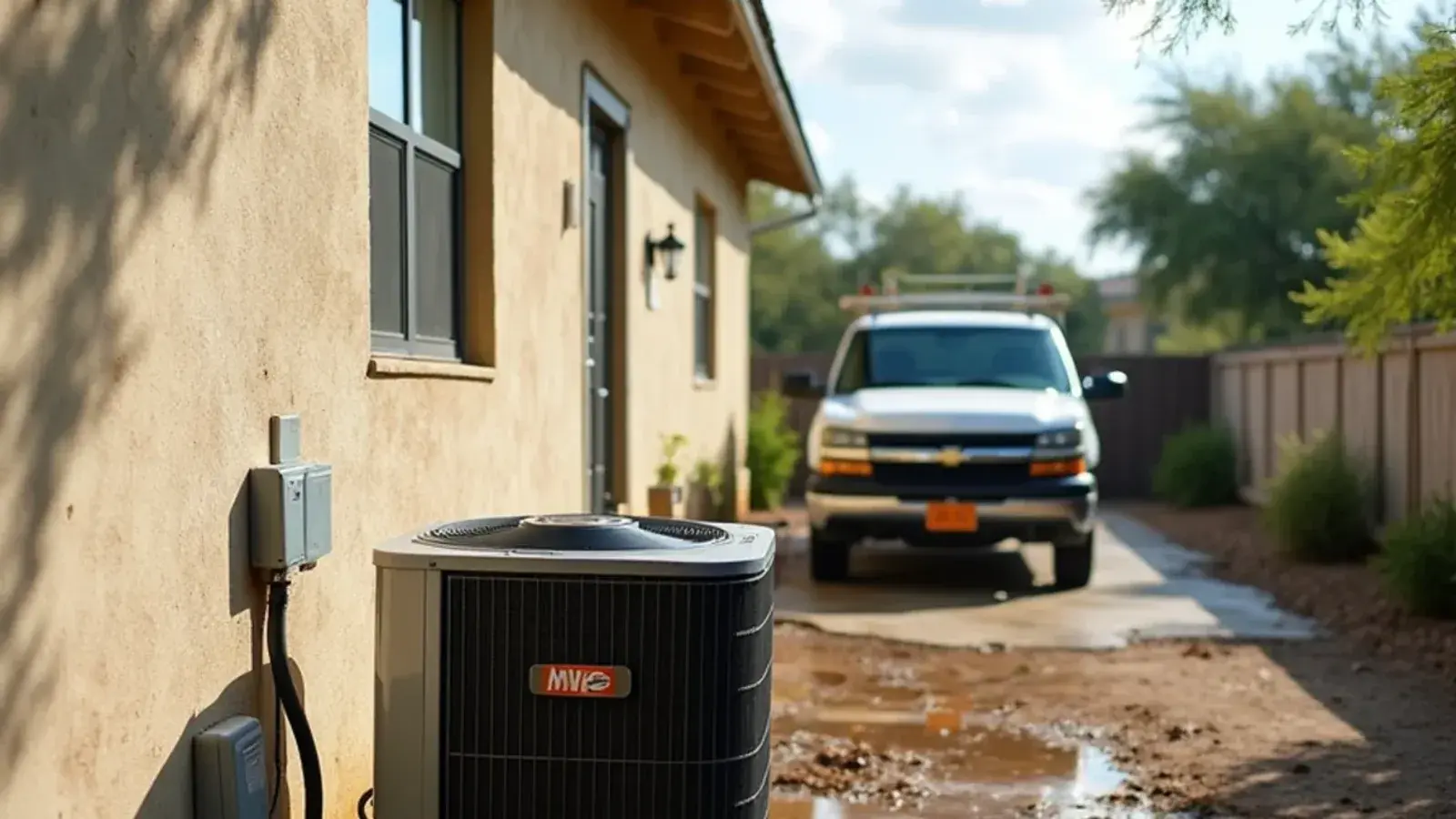
Storms in the Valley hit air conditioners three ways: power cuts that leave systems confused, surges and lightning that burn out electronics, and flood water that soaks the outdoor unit. For AC repair after a power surge in Rio Grande City, or after any storm, we test what was actually damaged rather than guessing, and we put the cause in writing in case you file a claim. Phone any time: you get a plain answer on whether a crew can come out tonight or whether you are booked for early next morning.
AC not working after a power outage? Check these first
Several causes are easy and safe to rule out yourself:
- The thermostat. A blank or reset screen may need new batteries, a restart or its schedule set again. Smart thermostats sometimes lose Wi-Fi and sit idle.
- The restart delay. Many systems wait a few minutes after power returns before the compressor starts, to protect it.
- The breakers. Look at the AC breaker in the panel, plus any separate breaker for the air handler or heat strips.
- The outdoor disconnect. The box on the wall near the condenser may hold a pull-out block or fuses.
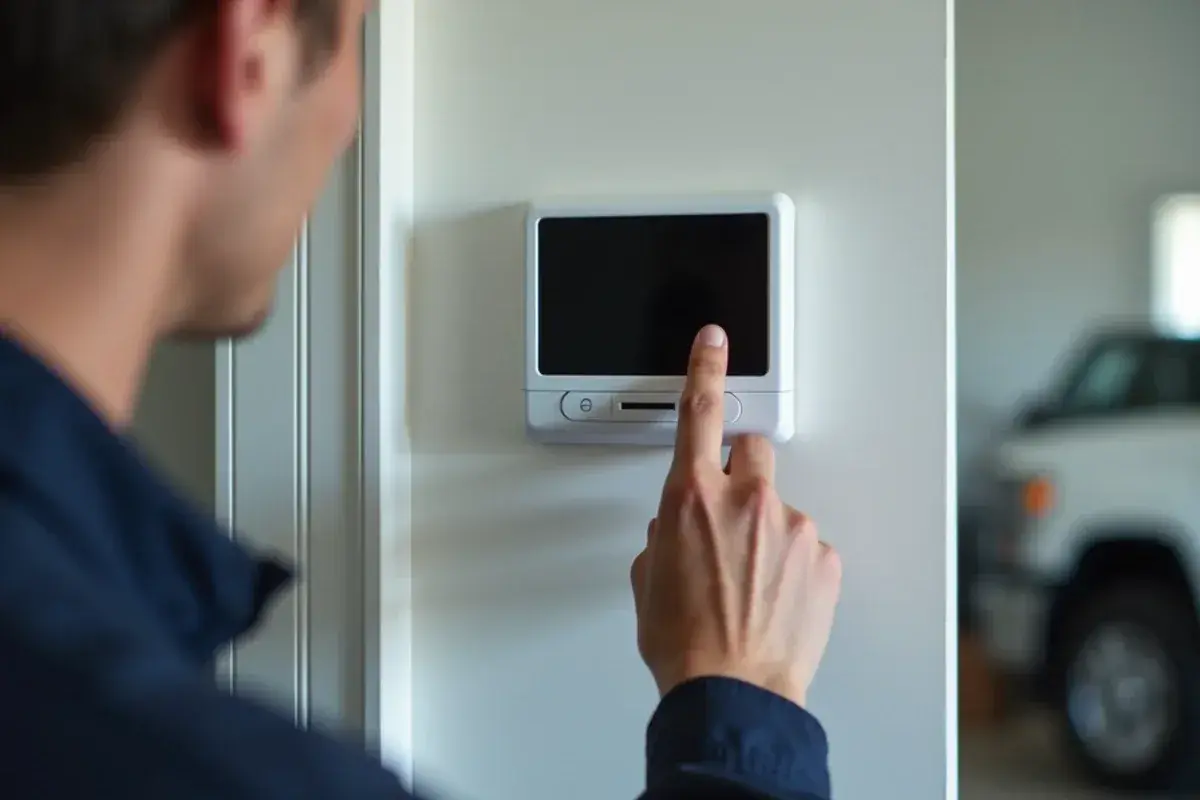
One reset of a tripped breaker is fine. A second trip means the breaker stays off. During an outage, set the thermostat to off so the system is not hit with power the moment the lines come back, then turn it on once power has been steady for a while.
What lightning and surges damage inside an AC
Here the risk has a calendar. Afternoon thunderstorms build through the summer, the Atlantic hurricane season runs June 1 to November 30, and long outages like the February 2021 freeze end with every system on the line restarting at once. Rural lines flicker more, and brownouts wear on motors even without a strike.
A surge is a spike of voltage, from lightning nearby or from the grid switching back on. It finds the most sensitive parts first:
- Control boards in the air handler or furnace, and the inverter boards inside mini-splits and variable-speed systems
- Low-voltage transformers and fuses that run the thermostat circuit
- Capacitors and contactors in the outdoor unit
- Compressor windings, which can short or ground after a strong surge
- Thermostats, especially smart models
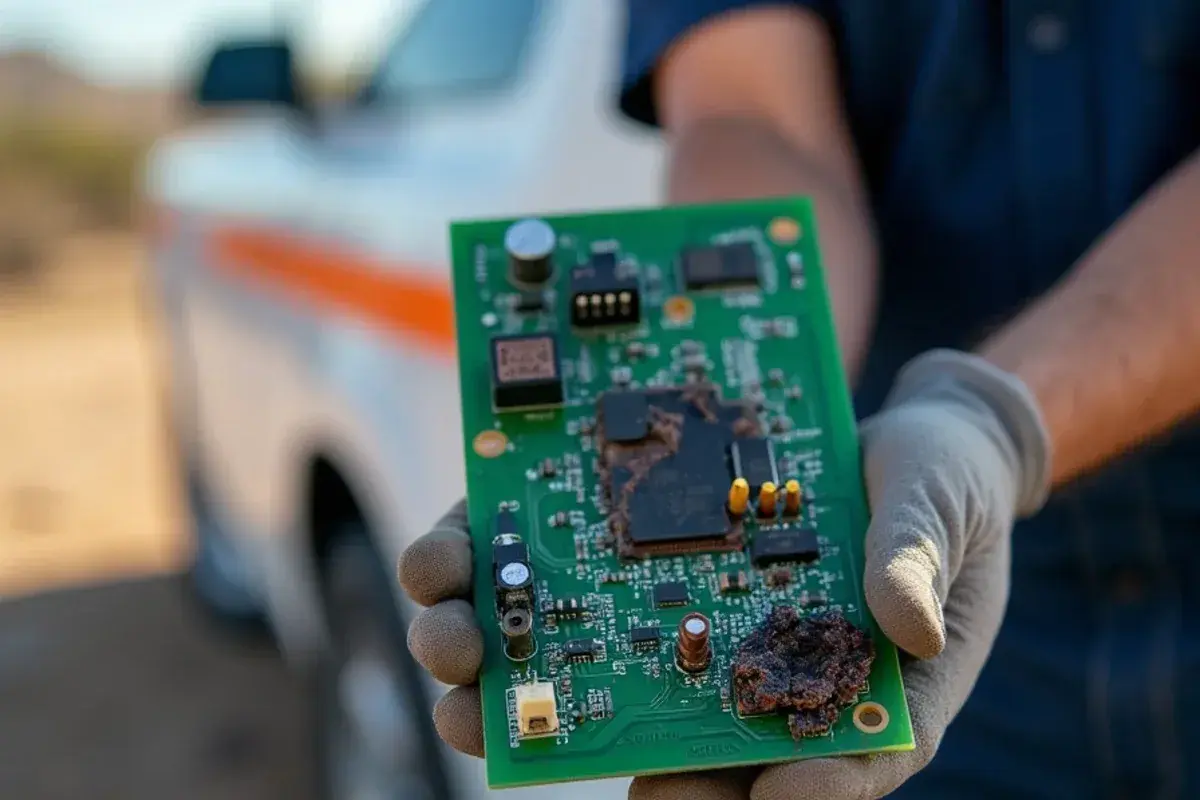
We test each part rather than replacing everything in sight. A surge often damages one or two components and leaves the rest fine.
What a storm-damage visit covers
A storm rarely hits only one spot, so the visit covers:
- Indoor and outdoor electrical parts, from the disconnect to the thermostat wire
- Boards on central systems, heat pumps and mini-splits, including inverter boards
- Flood checks on the condenser, pad, coil and copper lines
- Wind damage: bent fins, dented cabinets, crushed line set covers
- Photos and a written finding of what failed and the likely cause, for your insurer
Flooded AC unit: why it stays off until it is checked
Hurricane Hanna in July 2020 brought heavy rain and flooding to Starr and Hidalgo counties, and low yards near arroyos and the river still collect water during heavy storms. A condenser that sat in flood water needs inspection before it runs again.
Stay out of the water
Do not touch the disconnect, the breaker panel or the unit while standing in water. If the panel itself is wet, call the electric utility or an electrician first.What we check:
- Water inside the electrical compartment and at the compressor terminals
- Fan motor bearings and windings
- Silt, mud and debris packed into the coil
- Corrosion starting on boards and connections
- Whether the unit shifted off its pad or the copper lines kinked
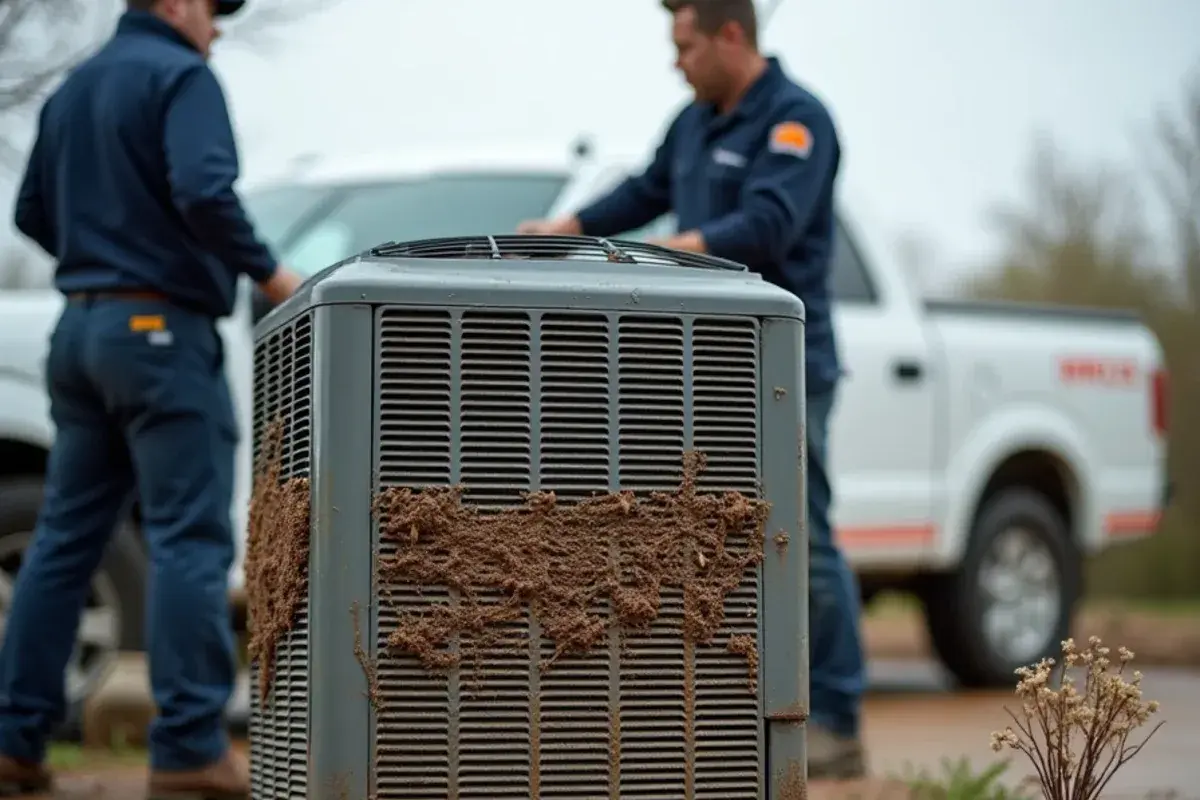
Many flooded units can be cleaned, dried and repaired. When the compressor or coil is ruined, our compressor and condenser repair page explains the replacement options. A pad that washed out or sank should be reset, and new concrete condenser pads can raise the unit a little higher.
AC breaker keeps tripping after the storm?
A breaker that trips over and over is protecting your wiring from a real fault. Common storm-related causes include a compressor winding shorted to its case, water or corrosion in the disconnect, wiring damaged by debris or rodents, a fan motor that seized, or a breaker weakened by the event. Leave it off until someone with a meter has found the fault.
How we trace a storm fault, in order
- Make it safe. Power off; panel and disconnect checked for water or scorching.
- Walk the unit. Silt lines, coil debris, a shifted pad, kinked lines, burn marks.
- Check the supply. Voltage on both legs at the disconnect, since a lost leg or low voltage mimics a dead unit.
- Test the control side. The low-voltage fuse, the transformer, the thermostat and its wiring, and the control or inverter board.
- Test the power parts. Capacitor against its rating, contactor contacts, fan motor amps, then compressor winding resistance and an insulation test to ground.
- Write it up and restart. You get photos and findings, then the repair, then a run until it cools and cycles normally.
Surge protection and storm prep for your system
Layered surge protection
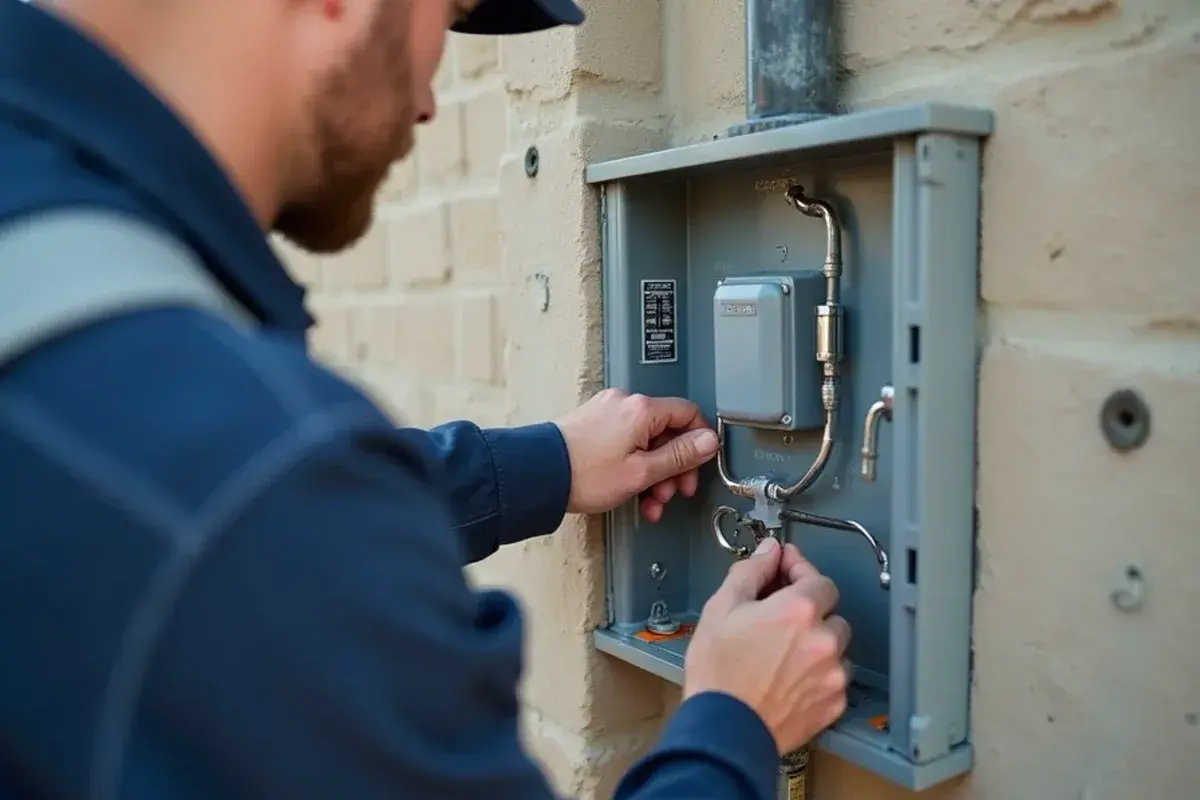
The best setup combines a whole-home surge protector at the electrical panel with a dedicated protector at the outdoor AC disconnect. Together they absorb most of the routine spikes that slowly destroy boards and capacitors. Nothing stops a direct strike, and protectors wear out after big hits, so check them after major storms.
Before hurricane season
- Clear branches and loose items from around the condenser.
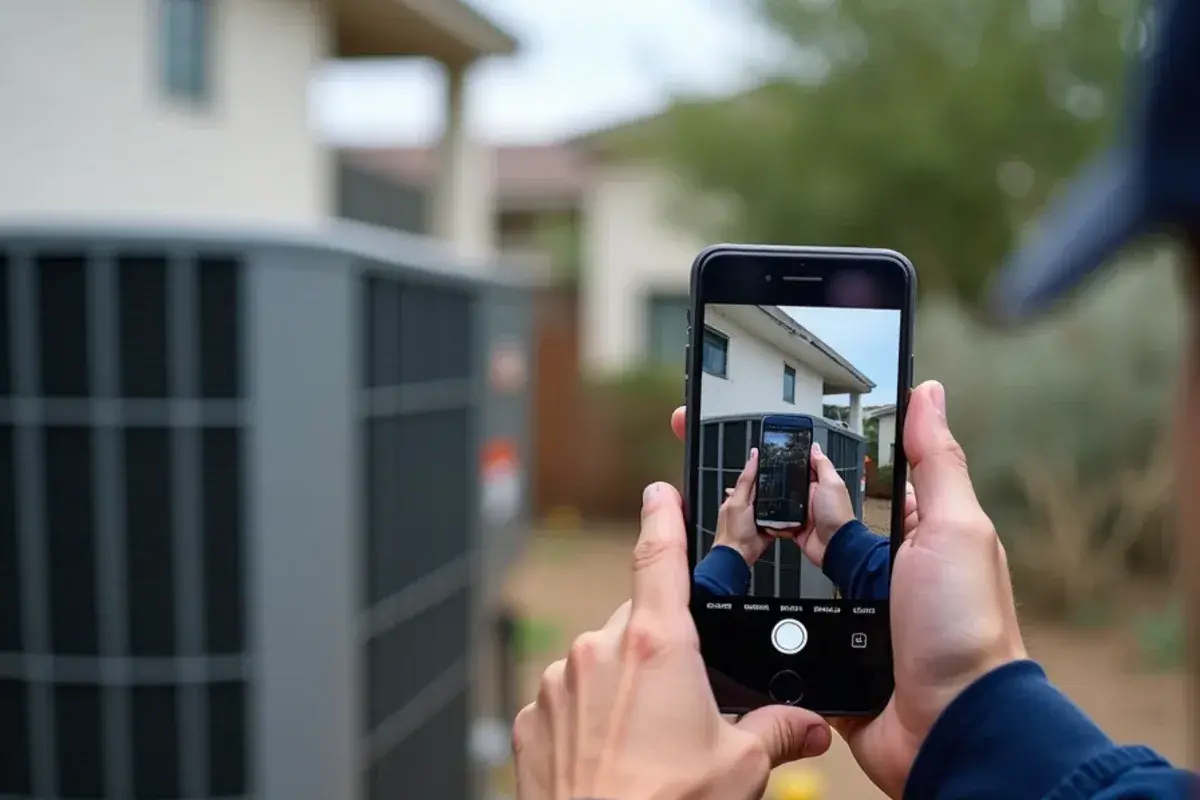
- Photograph the unit and its data plate while it is undamaged.
- Do not cover the unit while it might run.
- Make sure the pad is level and not undermined.
Insurance paperwork and repair cost factors
Many homeowners policies cover lightning, surge coverage varies, and flood damage normally falls under a separate flood policy. Your agent has the answer for your policy. Help your claim with photos, damaged parts and a written diagnosis naming what failed and the likely cause.
What changes the cost:
- How many parts were damaged, and which ones
- Availability of brand-specific control and inverter boards
- Cleaning and drying after flood water
- Pad, line set or electrical repairs around the unit
- Whether the visit falls after regular hours
Parts are the biggest variable. A capacitor or a contactor is a small repair; a brand-specific inverter board may need ordering, and a compressor grounded by a strike can make replacement the better spend. If the unit is still under manufacturer warranty, we check coverage before ordering parts.
Electrical codes, TDLR licences and who fixes what
TDLR issues Texas licences to A/C contractors and electricians alike; check anyone you hire on its site. Work inside the breaker panel, including a whole-home surge protector, belongs to an electrician. Newer editions of the National Electrical Code require a surge-protective device when a home's service is installed or replaced; which edition applies depends on your city or county. Damage to the meter or service drop goes to your electric utility. If a flooded condenser must be replaced, EPA Section 608 rules require its refrigerant to be recovered, not vented.
After a big storm the queue grows fast. Homes with vulnerable people get moved forward. For summer breakdowns with no storm involved, see the main emergency AC repair page.
Calling 956 Multi Service after a storm
Since July 2024, 956 Multi Service has worked out of Rio Grande City, so after a storm you reach a crew living under the same weather. Google shows 41 reviews averaging 5.0. Hours are 8 to 7, Monday to Saturday, closed Sundays; after hours, leave your town and what the system is doing. Many fixes wrap up the day you call if the schedule has room, though a regional storm stretches every queue. Pay by cash or by Visa, MasterCard, American Express or Discover, and ask about financing if the storm means a new system.
Google reviews that mention work like storm & power surge ac repair
5.0 out of 5 from 41 Google reviews
“Very great customer service! Talked to them over the phone to explain my A/C situation I was having, and they knew what the problem was right away! Came to fix the problem in a timely manner! Recently I purchased a new unit and they went for an installation the same day! Highly recommended!”
“The repair was done quick and professionally there is no longer any problem with my mini split if any problem would occur again I will most definitely call 956 Multi Service !”
“Great service!! They were very responsive and helpful, and they were able to resolve my issue quickly. I would definitely recommend this company to others.”
Questions after an outage, lightning strike or flood?
Why won't my AC turn back on after a power outage?
Often it is something simple: the thermostat lost its settings or batteries, a breaker or the outdoor disconnect tripped, or the system is waiting out a built-in restart delay. If those check out and the unit still will not run, the outage may have come with a surge that damaged a capacitor, contactor, fuse or control board. That calls for a technician with a meter.
Can I run my AC after the condenser was under flood water?
No. Keep the breaker off until a technician has inspected it. Flood water gets into the electrical compartment, the compressor terminals and the fan motor, and leaves silt and debris packed in the coil. Running it wet risks a short, a damaged compressor and a shock hazard. Once inspected, cleaned and dried, many units can be repaired; others need replacement.
Does a surge protector really protect my AC?
It helps. A whole-home surge protector at the electrical panel plus a dedicated protector at the outdoor disconnect handles most of the everyday spikes from storms and grid switching, which are what slowly kill control boards and capacitors. No device can stop a direct lightning strike, and surge protectors wear out after absorbing big hits, so they need checking and eventual replacement.
Will insurance cover AC damage from lightning?
Many homeowners policies cover lightning damage, but coverage for power surges varies and flood damage usually requires a separate flood policy. Your agent or insurer is the only one who can say for sure. Take photos, keep the damaged parts and ask for a written diagnosis stating what failed and why. We provide that write-up with the repair.
How can I tell if lightning or a surge damaged my AC?
You often cannot tell from outside. Signs include a blank thermostat that stays blank with fresh batteries, a burnt smell at the air handler, an outdoor unit that hums without starting, or a breaker that trips at once. Inside, a technician looks for scorched board traces, a blown low-voltage fuse and a shorted compressor winding, which only shows on a meter.
Still have a question about storm & power surge ac repair? Ask us directly.
Call (213) 423-7827Where we handle storm & power surge ac repair
- Storm & Power Surge AC Repair in Escobares, TXHomes strung along US-83 see storm outages that leave window units and new mini-splits needing a check.
- Storm & Power Surge AC Repair in Los Ebanos, TXRiver-bottom homes here take flood-season water that reaches outdoor units first.
- Storm & Power Surge AC Repair in La Grulla, TXIrrigated farmland near the river means low yards where condensers can sit in standing water.
- Storm & Power Surge AC Repair in El Refugio, TXLower ground toward the river calls for raised pads and checks after heavy summer rain.
- Storm & Power Surge AC Repair in Roma, TXOlder homes on the river bluff often run aging wiring that a surge finds first.
- Storm & Power Surge AC Repair in Mikes, TXManufactured homes here pair belly ducts and outdoor units that need checking after high wind.
- Storm & Power Surge AC Repair in Palmview South, TXLow ground between US-83 and the river makes flood checks on condensers a routine storm call.
- Storm & Power Surge AC Repair in Granjeno, TXRiverside homes by the levee sit on flood-prone ground where raised pads matter.
- Storm & Power Surge AC Repair in Hidalgo CountyHanna's 2020 flooding reached across this county, from riverside towns to newer subdivisions.