

Hurricane prep for your AC unit means raising and anchoring the condenser, adding surge protection, clearing the condensate drain and photographing the equipment before June. When a storm nears, clear loose objects, pre-cool the house, then switch the system off at the thermostat and breakers. Afterward, check for debris and floodwater before you restart it.
Those steps answer three threats: wind that moves or punctures the outdoor unit, unstable power that damages electrical parts, and floodwater that reaches equipment sitting too close to the ground. Atlantic hurricane season runs from June 1 through November 30, with most activity from mid-August to mid-October, and the Valley has seen what a tropical system can do inland. When Hurricane Hanna came ashore in July 2020, its rain kept falling on Hidalgo and Starr counties well after the wind had died down, and low neighborhoods flooded. The checklist below is split into the three moments when it matters.
Before the season starts
Do these in spring or early summer, when appointments are easier to get and the weather is calm.
Raise and anchor the condenser
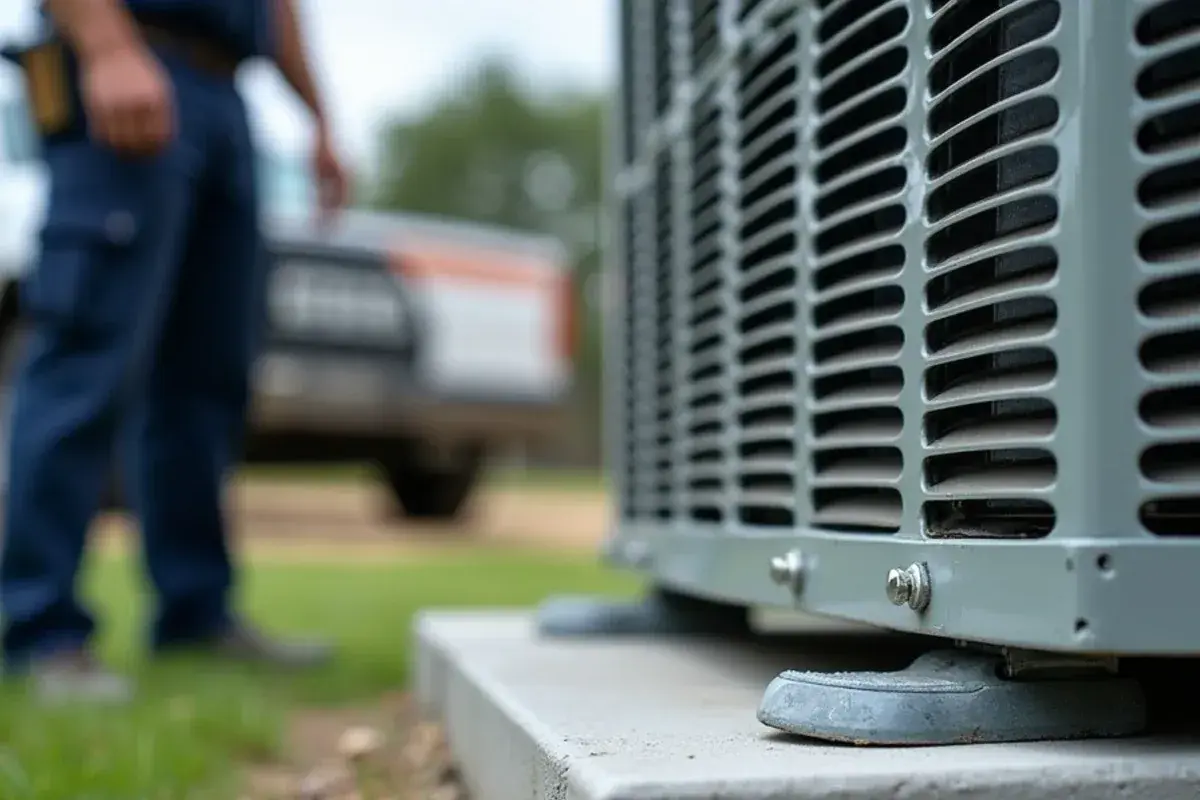
Check how high the outdoor unit sits above the ground and whether water has pooled around it in past storms. A unit resting on a thin, sunken slab or directly on soil is the most likely to be flooded. A taller pad lifts the electrical compartment and compressor above shallow water. AC condenser pads can be poured or raised to fit the yard, and the unit can be fastened with metal tie-down brackets so wind cannot slide it off.
Add surge protection
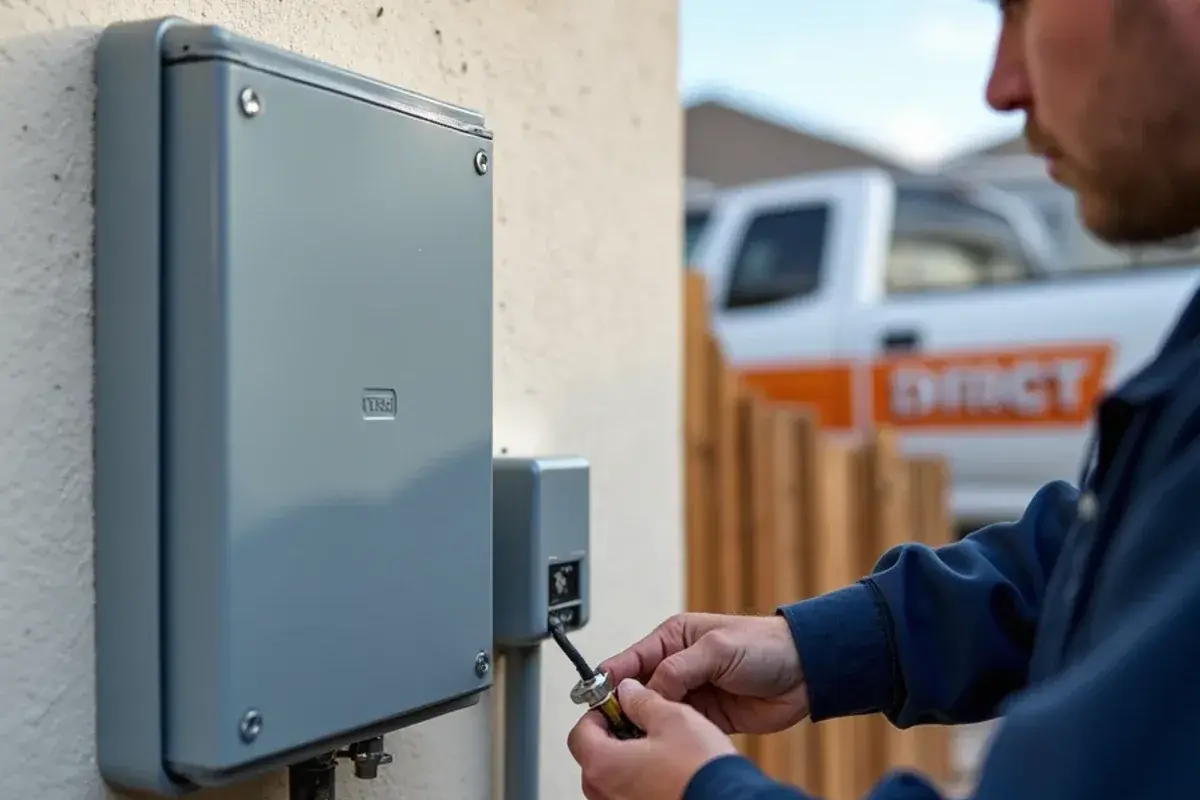
A whole-home surge protective device at the main panel helps limit spikes from lightning and grid switching. Some homeowners add a second surge protector at the AC disconnect for the outdoor unit. Surge devices reduce risk; they do not make equipment immune to a direct strike.
Clear the drain and service the system
Heavy rain and sticky humidity mean the indoor coil will be wringing out large amounts of condensate. Have the condensate drain cleared and the float switch tested so a clog does not add an indoor leak to a storm week. If the line has backed up before, AC drain line repair before the season is easier than mopping a closet during an outage.
Record what you have
Photograph the outdoor unit from every side, the data plate, the indoor unit and the panel. Keep the photos in the cloud or with your insurance documents. Know which breakers control the indoor and outdoor units.
When a storm is forecast
Once a tropical storm or hurricane is in the forecast for your area, you usually have a day or two.
- Clear the yard. Move chairs, toys, grills, planters and loose building material away from the condenser. These become projectiles in high wind.
- Trim weak limbs hanging over the unit if it is safe to do so.
- Pre-cool the house. Run the AC a few degrees lower than usual while power is steady so the home stays cooler longer if the grid goes down.
- Shut it down before the worst arrives. When the wind and rain pick up, set the thermostat to Off and switch off the breakers to the indoor and outdoor units. This protects the system from surges and brownouts as power flickers.
- Cover only when off. If you want to protect the top from flying debris, use a breathable cover or a sheet of plywood weighted down on top. Do not wrap the unit in plastic; it traps moisture and can rust coils.
Checklist at a glance
| Phase | AC tasks | Why it matters |
|---|---|---|
| Spring or early summer | Raise or level the pad, anchor the unit, add surge protection, clear the drain, photograph equipment | Gives you time to fix weak spots before the season |
| Storm forecast, one to two days out | Clear loose objects, trim limbs, pre-cool the home | Cuts debris risk and stretches comfort if power fails |
| Storm arriving | Thermostat Off, breakers off, cover only if off | Protects electrical parts from surges and brownouts |
| After the storm | Walk-around inspection, check for flooding, remove covers, restart carefully | Prevents running a damaged or flooded system |
After the storm passes
Patience after a hurricane saves more equipment than anything done before it.
Walk around the outdoor unit
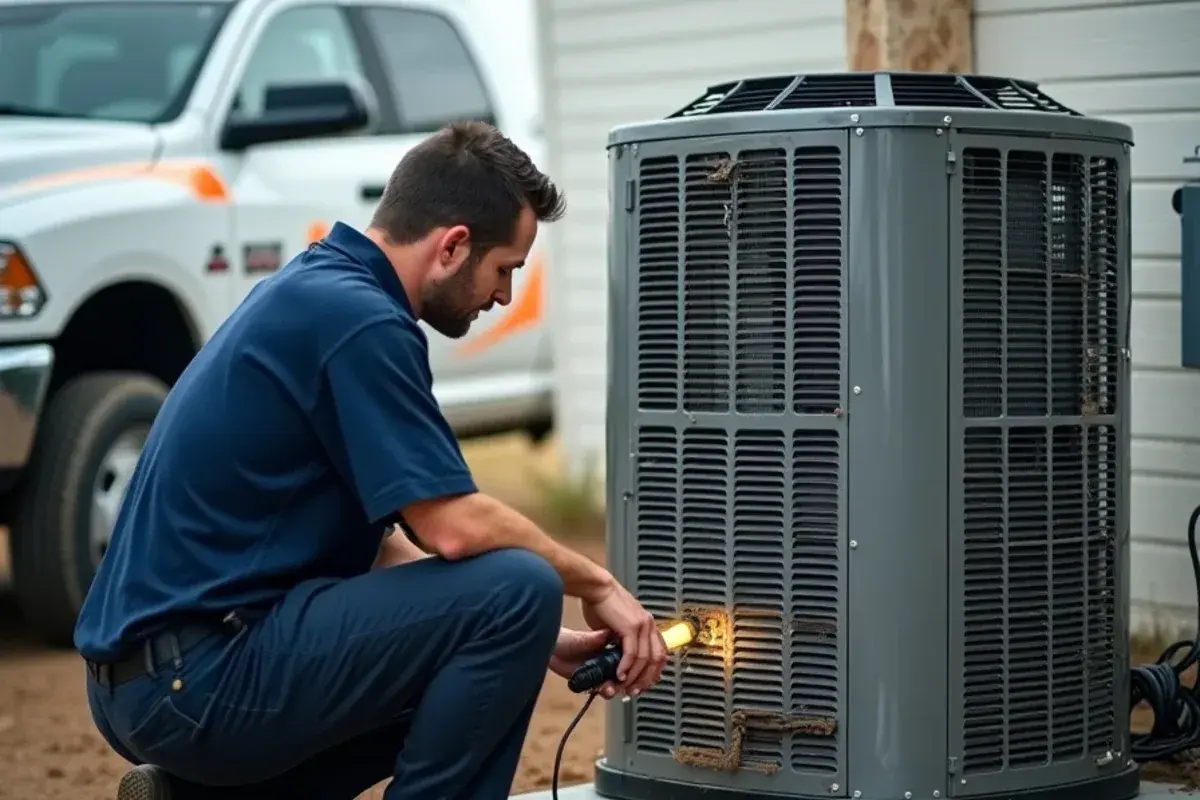
Look for branches or debris in the fan grille, bent fins, a cabinet knocked off level, a damaged line set or a disconnect box that is open or broken. Remove any cover you put on.
Check for floodwater
Look for a mud line on the cabinet or silt on the pad. If water reached the outdoor unit, do not restart it. A flooded condenser needs to be inspected before it runs, because water and mud in the electrical compartment or motor can cause shorts and shock hazards. The same goes for an indoor air handler in a flooded garage or utility room.
Restart carefully
If everything looks dry and intact and the power has been steady for a while, switch the breakers on, wait a few minutes, then set the thermostat to Cool. Listen for buzzing, grinding or a fan that does not spin. If a breaker trips, reset it once at most, then leave it off and call.
Who should pay extra attention
Homes on low ground near the Rio Grande and along drainage channels get water first. Across Hidalgo County, that includes riverside neighborhoods and areas near the levee system. In Los Ebanos, the small river-bottom homes already deal with heavy humidity, and a tropical system adds standing water that can reach equipment on short pads and rust its base.
Manufactured homes with the outdoor unit set on blocks, and owner-built homes where the condenser was placed wherever there was space, also benefit most from a raised, anchored pad.
Storm-proofing trade-offs a technician will walk you through
Raising and anchoring a condenser sounds simple, but each choice changes something else about the system. These are the points worth talking through before any concrete is poured.
How high is high enough?
For homes in a mapped flood zone, guidance built on FEMA standards calls for outdoor equipment at least one foot above the base flood elevation, the level a flood has a one-percent chance of reaching in any year. You can look up your address on FEMA's Flood Map Service Center or ask the county floodplain office. Outside mapped zones, the practical target is the highest water you have seen in the yard, plus a margin.
What a taller pad changes
- Line set and wiring: a higher unit may need a longer refrigerant line set and a new electrical whip to the disconnect, and those connections need to be done properly, not stretched.
- Service access: the technician still needs room to open panels and wash the coil, so a stand or pad must leave a safe working surface.
- Drainage around it: a pad that sheds water toward the house foundation trades one problem for another.
Brackets, straps and wall mounts
Tie-down brackets bolted into a solid pad keep a condenser from sliding in high wind. Mini-split outdoor units on wall brackets already sit above shallow water, but the bracket has to be anchored into solid block or framing, not just siding. On owner-built homes, it is worth confirming what the bracket is actually fastened to.
Flooded does not always mean finished
A condenser that sat in shallow water for a short time can sometimes be flushed, dried and tested back into service. One that was submerged above the electrical compartment, or packed with silt, usually needs parts or replacement. The inspection decides it, which is why restarting first is the one mistake that cannot be undone.
When something did get damaged
If the unit will not start, starts and trips the breaker, smells burnt or was flooded, a storm and power surge AC repair visit begins with a full electrical check and an inspection of the coil and motor. Expect a busy schedule after a widespread storm; the technician will often need to see the unit dry before making a final call. Keep your photos and any damaged parts in case you file a claim.
A season-ready AC in a few steps
Raise and anchor the unit, protect it from surges, keep the drain clear, and photograph everything before June. When a storm comes, shut the system down, then inspect before restarting. With a few weeks of hurricane season still left, a quick look at the pad and the panel now is worth the time. To have a condenser raised, anchored or checked after a storm, call (213) 423-7827 and tell us your town and how close the unit sits to standing water.