

No. For most homeowners there is no federal HVAC tax credit in 2026. The One Big Beautiful Bill Act, signed July 4, 2025, ended the Section 25C Energy Efficient Home Improvement Credit for property placed in service after December 31, 2025, so an AC or heat pump installed this year does not qualify. Utility and manufacturer rebates may still help.
If you are planning a new system and searching for an HVAC tax credit for 2026, that is the plain answer: the main federal credit homeowners used for central air conditioners and heat pumps is gone.
That does not mean every possible incentive is gone. It means the big federal one is, and anything else you find will come from utilities, manufacturers or other programs that change on their own schedules. This post explains what changed, what to check before you buy, and how to talk to a tax professional about it. We are an HVAC contractor, not tax advisers, so treat this as background and confirm your own situation.
What the 25C credit was, and what ended
The 25C credit let homeowners claim part of the cost of qualifying energy improvements to their main home, including high-efficiency central air conditioners, heat pumps and certain other equipment, subject to annual caps. Equipment had to meet specific efficiency tiers to count.
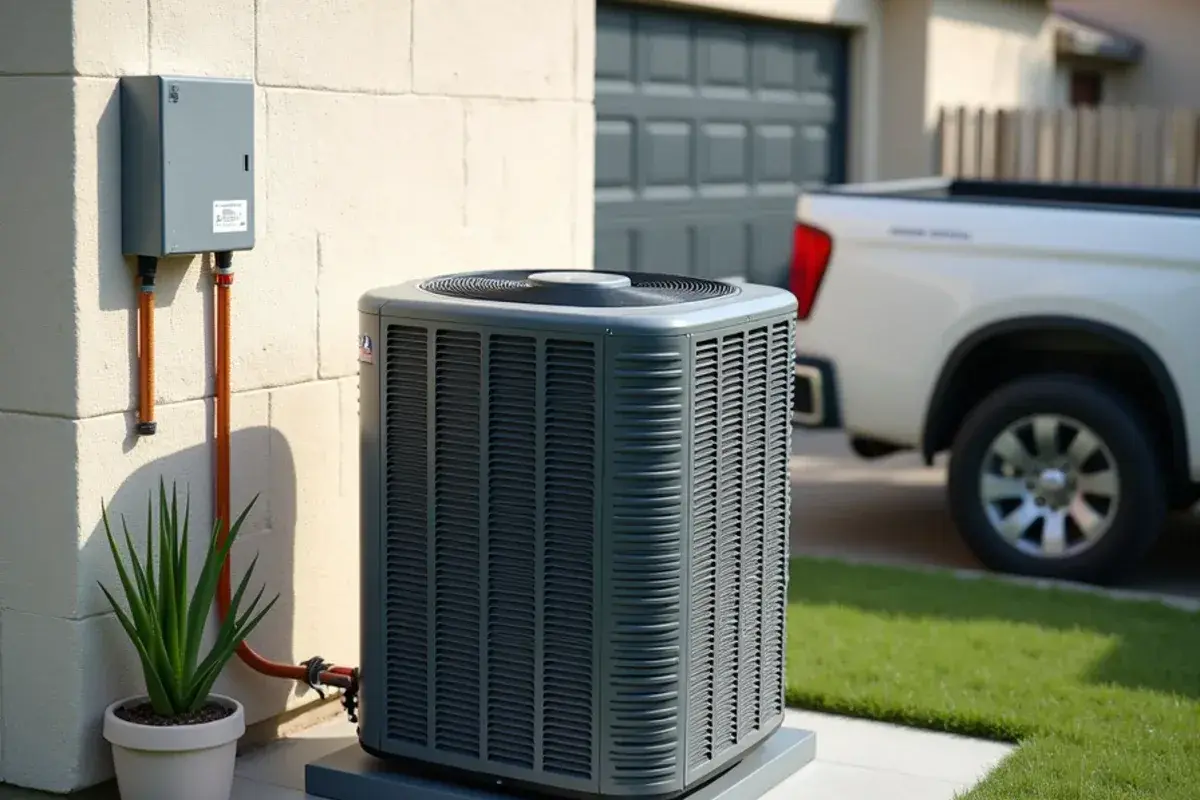
Under the 2025 law, the IRS lists 25C among the energy credits that no longer apply to property placed in service after 2025. A related credit for residential clean energy such as solar and geothermal (Section 25D) also ended for expenditures made after 2025.
| Federal provision | Status for 2026 purchases | What it covered |
|---|---|---|
| Section 25C Energy Efficient Home Improvement Credit | Ended for property placed in service after Dec. 31, 2025 | Efficient central ACs, heat pumps, some furnaces, insulation, windows and doors |
| Section 25D Residential Clean Energy Credit | Ended for expenditures made after Dec. 31, 2025 | Solar, geothermal heat pumps, battery storage and similar |
| Utility efficiency programs | Vary by provider and year | Rebates or incentives for qualifying equipment or contractors |
| Manufacturer and distributor promotions | Vary by brand and season | Rebates, extended warranties or seasonal promotions |
Why "placed in service" matters
The date that counted was when the equipment was installed and ready to use, not when you paid a deposit or signed a contract. That distinction matters for anyone who signed a contract in late 2025 but had the system installed in January or later. If your installation finished in 2025, the credit was claimed on the 2025 return, which most people have already filed by now. If you think you qualified and missed it, a tax professional can tell you whether an amended return is worth filing.
For anything installed from January 1, 2026 onward, plan your budget as if no 25C credit exists.
Where savings may still come from
Utility programs
Electric utilities in Texas have historically run energy-efficiency programs, sometimes paying incentives through participating contractors rather than directly to homeowners. Several electric providers operate in the Valley; two of them are Magic Valley Electric Cooperative and AEP Texas, and their programs differ. Call the company that sends your electric bill and ask:
- Is there a current program for central AC, heat pump or mini-split replacement?
- Does the equipment have to meet a specific SEER2 or HSPF2 rating?
- Does the contractor need to be enrolled in the program?
- Must the project be approved before installation?
- How is the incentive paid, and how long does it take?

Manufacturer promotions
Equipment makers sometimes offer seasonal rebates or extended parts warranties on specific product lines. These are tied to particular model combinations and dates, and they often require registration within a short window after installation.
Texas Home Energy Rebates (HOMES and HEAR)
Two federally funded rebate programs, known as HOMES and HEAR, are being set up in Texas by the State Energy Conservation Office (SECO), part of the Texas Comptroller. As of this update they had not opened to homeowners; the state has pointed to a launch late in 2026, pending federal approval. Programs like these are usually income-based, require pre-approval and an enrolled contractor, and cannot be claimed after the fact. Check the SECO page on the Comptroller's website for the current status before you plan around them.
There is no state income tax credit to look for. Texas does not levy a personal income tax, so state-level help, when it exists, comes as rebates rather than tax breaks.
Lower operating costs
Even without a tax credit, a more efficient system can lower monthly electric bills for years in a place where cooling runs most of the year. That is a real saving, though it shows up on the electric bill rather than at tax time.
Heat pumps after the credit
Heat pumps were among the most popular 25C purchases, and they still make sense in many Valley homes. A heat pump cools like any AC in summer and runs in reverse to heat in winter, using far less electricity than resistance heat strips during the cold snaps that reach the Valley. The case for one now rests on comfort and operating cost rather than a tax break. Our heat pump service covers how they compare with heat strips for local winters.
Paperwork to keep anyway
Even without 25C, keep records of any new system. Rebate programs, warranty claims and future home sales all ask for the same details.
| Document | Why to keep it |
|---|---|
| Itemized invoice with installation date | Shows what was installed and when |
| Outdoor and indoor model and serial numbers | Required for warranty registration and most rebates |
| AHRI matched-system certificate, if provided | Confirms the efficiency rating of the combined system |
| Manufacturer warranty registration confirmation | Protects parts coverage |
| Any rebate application and approval | Proof if a payment is delayed |
How incentives should, and should not, change the equipment you pick
From the installer's side, a few honest points come up again and again when rebates enter the conversation.
Ratings belong to the matched system. Rebate rules for SEER2 (cooling) and HSPF2 (heat pump heating) are checked against the outdoor unit and the indoor coil or air handler together, listed under one AHRI reference number. Swapping only the condenser, or pairing it with a coil that is not in the listing, can knock a system out of eligibility even when the outdoor unit qualifies on its own.
Do not climb an efficiency tier just to reach a rebate. A variable-speed system earns its keep in a house with sealed, properly sized ducts and long cooling hours. Connected to leaky or undersized ducts, it will not deliver its rating, and the rebate may not cover the difference in price. Have the ducts checked first, and consider duct sealing before paying for a higher tier.
Pre-approval and emergencies do not mix well. Most programs want approval before the install. When the AC has died in July, waiting weeks for a rebate decision may not be realistic, especially with older or medically vulnerable people in the house. Planned replacements, done in spring or fall, leave room to apply.
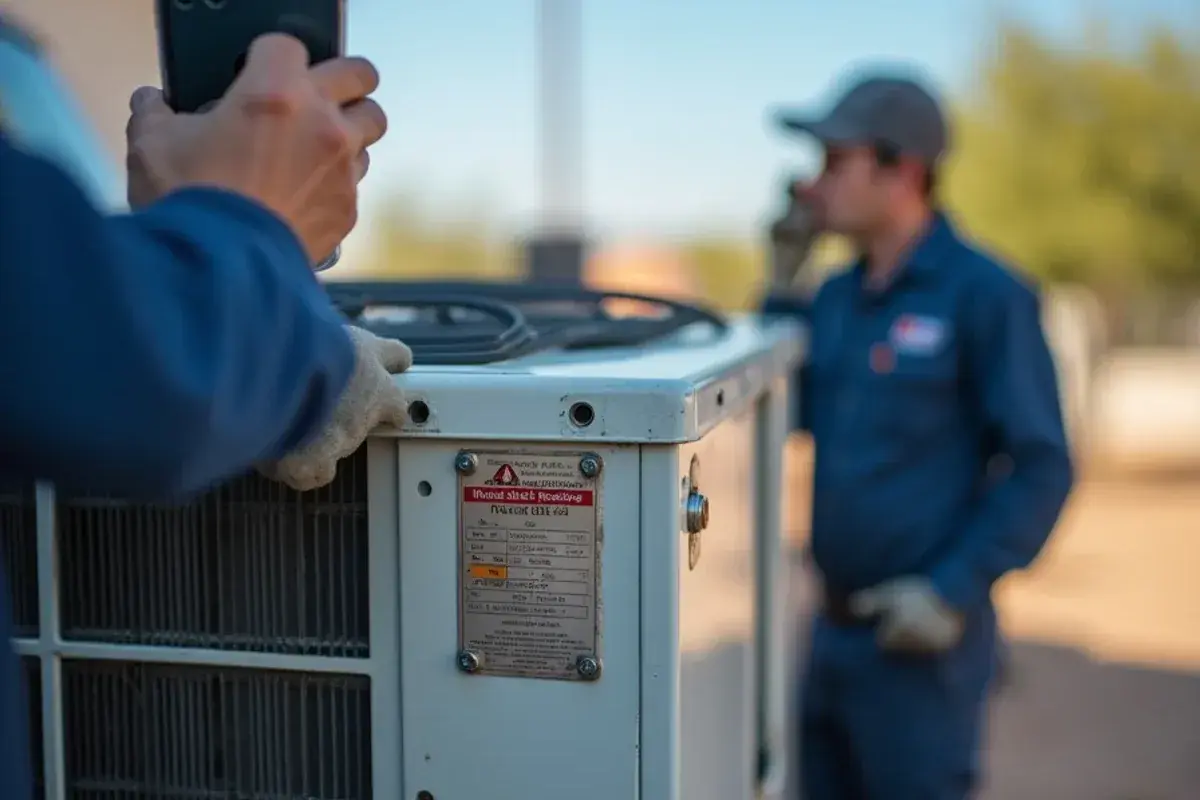
Installation quality is part of the paperwork. Some programs ask for proof of the refrigerant charge and airflow at startup, not just a receipt. Readings taken at commissioning, plus photos of both model plates, make any application easier.
Heat pump or heat strips is still a real decision. Without the credit, a heat pump is chosen for winter operating cost and comfort, and the Valley's short winters make that trade-off closer than it is up north. It is worth a straight comparison rather than a default.
Comparing systems without the credit
With the federal credit gone, the choice comes back to equipment that fits the house, a fair installed price and realistic operating costs. Ask for two efficiency levels so you can weigh up-front cost against power bills. Our AC installation service walks through system types and what a complete quote includes.
Homeowners in McAllen and Edinburg often see installers' advertising that still mentions tax credits from earlier years. If an ad or a salesperson promises a federal credit for a 2026 installation, ask them to show you the current IRS guidance in writing, and check with your tax preparer before counting on it.
The practical takeaway
For a 2026 installation, assume there is no federal 25C credit. Check with whoever sends your power bill, and with the equipment maker, for any rebate running before you sign, keep complete paperwork, and run any tax question past a qualified tax professional. Then pick the system on its merits: correct size, a sensible efficiency level and a quality installation. For a quote with two efficiency levels side by side and the model numbers you will need for any rebate, call 956 Multi Service at (213) 423-7827.