
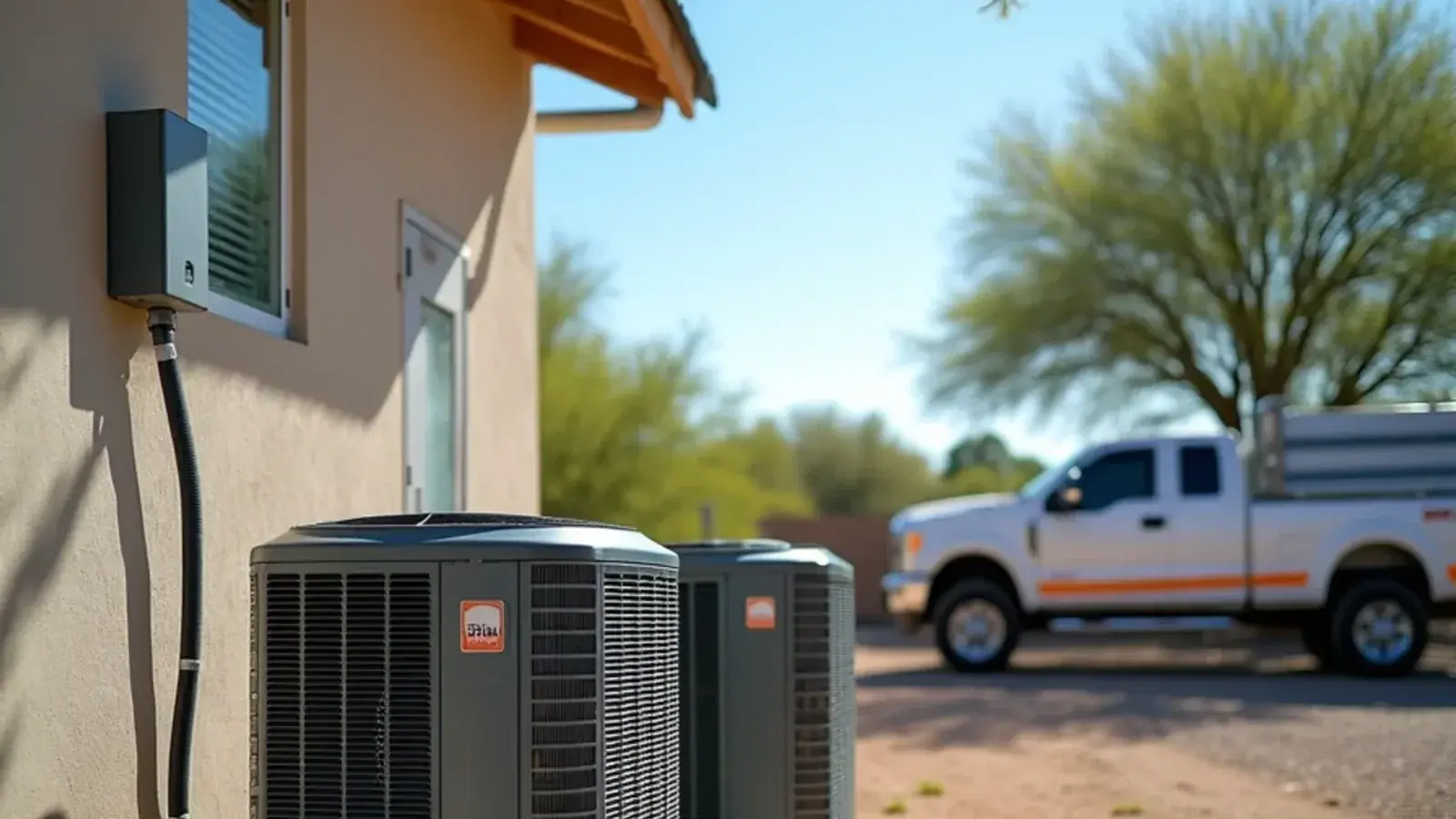
SEER2 measures how much cooling an air conditioner delivers over a season for each unit of electricity it uses, under the Department of Energy's test adopted in 2023. Higher numbers mean less power for the same cooling. In Texas, new split central ACs under 45,000 Btu/h must reach at least 14.3 SEER2; the real question is how far above that to go.
In Rio Grande City, where the AC carries the house through months of heat near or above 100°F, that number has more effect on the electric bill than it would in a cooler state. The question is whether paying more for a higher rating will earn itself back for your house.
This guide covers what SEER2 measures, how it differs from the old SEER, the federal minimums that apply in Texas, and a simple way to estimate whether a higher-efficiency AC is worth it.
What SEER2 measures
SEER2 stands for Seasonal Energy Efficiency Ratio 2. It divides the total cooling a system delivers across a modeled cooling season by the electricity it uses, expressed as Btu per watt-hour. A 16 SEER2 system delivers 16 Btu of cooling for every watt-hour of electricity under the test conditions.
The "2" refers to the updated testing procedure the Department of Energy adopted for equipment ratings starting in 2023. The new test raises the external static pressure, meaning the resistance from ducts and filters that the blower has to push against, so results better reflect how systems behave in real homes. Because of that, a unit's SEER2 number is lower than its old SEER number.
Rough translation between old and new labels
| Old SEER label | Approximate SEER2 equivalent |
|---|---|
| 14 SEER | about 13.4 SEER2 |
| 15 SEER | about 14.3 SEER2 |
| 16 SEER | about 15.2 SEER2 |
| 18 SEER | about 17 SEER2 |
These conversions are approximate. Always compare SEER2 to SEER2 when looking at current quotes.
Minimums for Texas homes
Federal standards split the country into regions. Texas belongs to the Southeast region, which has stricter cooling requirements than the North.
| Equipment | Minimum in the Southeast region |
|---|---|
| Split central AC, below 45,000 Btu/h | 14.3 SEER2 |
| Split central AC, 45,000 Btu/h or larger | 13.8 SEER2 |
| Split-system heat pump | 14.3 SEER2 (plus a heating rating, HSPF2) |
| Single-package AC or heat pump | 13.4 SEER2 |
In the Southeast, the AC rule is tied to where and when the system is installed, so a contractor cannot legally put in a split AC below the regional minimum. Every quote you see should meet these numbers; the real decision is how far above them to go.
Where the extra efficiency comes from
Higher-rated systems are not just the same box with a better sticker. The gains usually come from:
- Larger coils that move heat with less effort.
- Two-stage or variable-speed compressors that run at lower output most of the time.
- Variable-speed blower motors that use less electricity and can slow down to pull more moisture from the air.
- Better fan motors and controls in the outdoor unit.
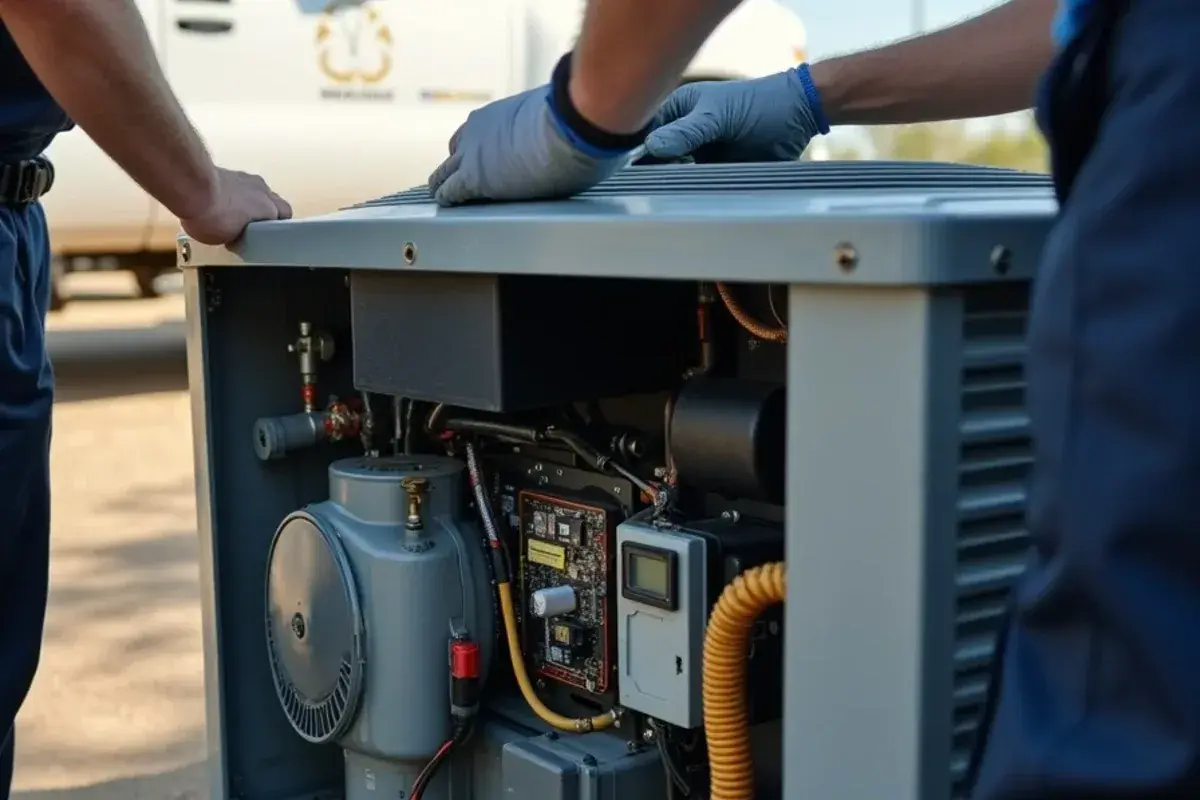
The variable-speed features bring a side benefit that matters in humid weather near the river: longer, gentler cycles that dry the air better. Many homeowners notice that change more than the bill.
Estimating payback for your house
You can estimate how much electricity a system uses with a simple formula:
Annual kWh = cooling capacity (Btu/h) × cooling hours ÷ (SEER2 × 1,000)
Here is an illustration for a 3-ton system (36,000 Btu/h) at an assumed 2,500 full-load cooling hours a year. That hours figure is an example for a hot climate, not a measurement for any particular home.
| SEER2 | Estimated annual cooling kWh |
|---|---|
| 14.3 | about 6,294 |
| 16 | about 5,625 |
| 18 | about 5,000 |
| 20 | about 4,500 |
To turn that into your own estimate, take the difference in kWh between two options and multiply it by the energy rate on your electric bill. Divide the difference in installed price by that yearly figure to see roughly how many years it takes to break even.
What pushes payback faster
- The house is occupied all day and the AC runs long hours.
- The home is large, so the system has higher capacity.
- Your electric rate is high.
- You plan to stay in the house for many years.
What slows it down
- The home is empty much of the day or seasonally.
- Ducts leak badly, so a better unit's output is wasted. Fix ducts first.
- The system is oversized and short-cycles, which reduces real-world efficiency.
The rating only holds if the system is matched and installed well
SEER2 ratings apply to a specific combination of outdoor unit and indoor coil or air handler. A high-efficiency condenser paired with a mismatched old coil may not reach its rated number. Correct refrigerant charge, proper airflow and sealed ducts also affect what you actually get.
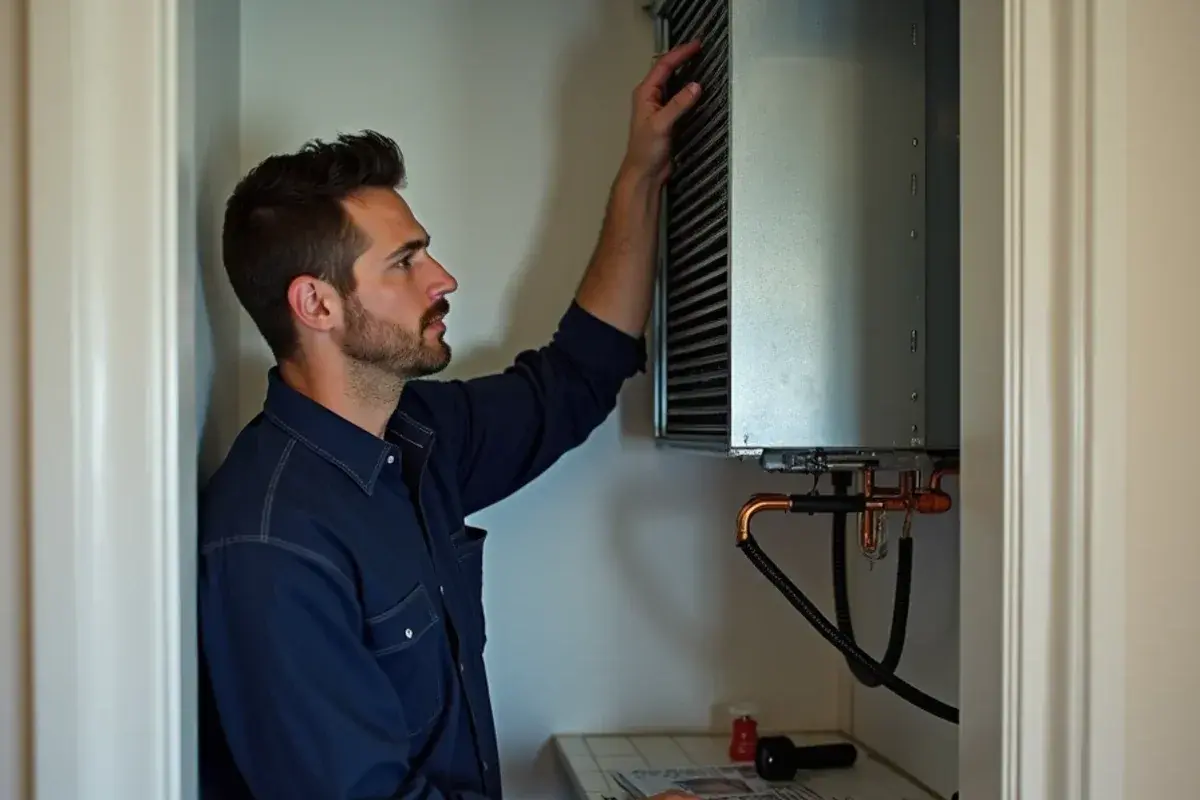
Ask for the matched-system rating of the full combination in your quote. Our AC replacement service installs matched outdoor and indoor equipment, and our AC installation page explains sizing and the install process.
Beyond the label: what a technician weighs in a Valley home
The rating is a lab number. A few things decide how close a real house comes to it, and they are worth asking about before paying for a higher tier.
Static pressure in your ducts. The SEER2 test assumes a set amount of resistance from ducts and filters. Many local homes have a single central return, a thick filter in a small grille, or flex ducts squeezed through a hot attic, and their real resistance runs well above the test value. A technician can measure it with a manometer. When it is high, a variable-speed blower works harder to hold airflow and gives back part of the efficiency you paid for. Opening up the return or fixing ducts can be worth more than the next tier.
EER2 for the hottest afternoons. SEER2 averages a whole season of milder and hotter hours. EER2 is a single test at 95°F outdoors, closer to a July afternoon here. Texas sits in the Southeast region, which has no EER2 minimum for home split systems, but the number is still listed in the matched-system directory and tells you how the unit behaves at peak load. Two systems with the same SEER2 can differ noticeably on EER2.
Humidity settings. Many variable-speed systems include a dehumidification mode or a thermostat setting that slows the blower when indoor humidity rises. It only helps if it is set up at installation, so ask whether it will be configured.
More electronics, more to protect. Inverter-driven systems use control boards that older single-stage units do not. They are reliable when installed well, but summer lightning and grid surges are a real risk in the Valley, and a board replacement after a surge is not a small storm and power surge AC repair. A surge protector at the disconnect is worth discussing with any high-tier quote.
Ducted and ductless ratings are not perfectly comparable. A ducted system's rating does not include leaks in your actual attic ducts, while a mini-split has no ducts to lose air through. In a home with poor ductwork, a ductless system can come closer to its label than a ducted one with a higher number.
Local considerations
Across Starr County, many homes run their AC much of the year, so the cooling hours that drive payback are often higher than national averages. Families who are home during the day, or who run home businesses, typically see the most benefit from higher tiers. In larger rental markets such as Edinburg, landlords weigh efficiency differently, because tenants usually pay the power bill. Even then, more efficient equipment can make a rental easier to keep occupied in summer.
Choosing your tier
Start at the regional minimum and ask for at least one higher option. Use your own bills and the formula above to estimate the yearly difference, then compare it with the extra installed cost. If you run the AC long hours, plan to stay, or struggle with humidity, a higher-efficiency variable-speed system is often worth a serious look. If the house is lightly used, a well-installed system at or near the minimum may be the better value. To get two SEER2 tiers quoted on the same matched equipment line, call 956 Multi Service at (213) 423-7827 and tell us the home's size and how many hours a day the AC runs.