

An AC running but not cooling usually comes down to one of seven causes: a thermostat set to fan instead of cool, a clogged filter, a dirty outdoor coil, a weak capacitor or fan motor, low refrigerant from a leak, a frozen indoor coil, or leaky or undersized ducts. You can check the first three yourself.
Each one breaks part of the heat-moving cycle. Your air conditioner does not make cold; it pulls heat out of the house through the indoor coil and dumps it outside through the outdoor coil. If air cannot move, heat cannot escape, or refrigerant cannot carry it, the fans keep spinning while the house warms up. Below are the seven causes behind most of these calls in South Texas homes, starting with the easiest to check.
A quick way to tell how bad it is
Put a kitchen thermometer in the air at a supply vent near the indoor unit, then at the return grille where air is pulled in. Many technicians expect the supply air to be roughly 15 to 20°F cooler than the return in normal conditions. If the difference is only a few degrees, the system is barely cooling. Write the numbers down; they help whoever comes to diagnose it.
The seven causes, at a glance
| Cause | Clue you can spot | Can you fix it? |
|---|---|---|
| 1. Thermostat set wrong | Fan set to On, or mode not on Cool | Yes |
| 2. Clogged air filter | Weak airflow at vents, gray matted filter | Yes |
| 3. Dirty outdoor coil | Fins covered in dust or grass, unit runs hot | Light rinse yes; deep cleaning is pro work |
| 4. Bad capacitor or outdoor fan motor | Outdoor fan not spinning, humming sound | No |
| 5. Low refrigerant from a leak | Warm air, ice on lines, hissing, long run times | No |
| 6. Frozen indoor coil | Ice on copper line, water near indoor unit | Partly: thaw it, then find out why |
| 7. Leaky or undersized ducts | Some rooms cool, others never do | No |
Causes 1 to 3: things you can check today
1. The thermostat is set to fan, not cool
It sounds too simple, but it happens after a power outage, a battery change or a curious child. If the fan is set to On instead of Auto, the blower runs nonstop even when the compressor is off, pushing room-temperature air through the vents. Confirm the mode is Cool, the fan is on Auto and the target temperature sits lower than the current reading. A thermostat in direct afternoon sun can also misread the room.

2. A clogged air filter
A filter packed with dust and pet hair chokes the airflow across the indoor coil. Less air means less heat removed, and if it gets bad enough the coil freezes. In dusty Starr County and Hidalgo County homes, filters may need changing more often than the package suggests. Pull it out and hold it up to a light; if you can barely see through it, replace it.

3. A dirty outdoor condenser coil
The outdoor coil is where your house's heat leaves. When its fins are matted with dust, grass clippings, cottonwood fluff or dog hair, the heat stays trapped and the system loses capacity right when you need it most. On caliche hills like Las Lomas, about ten minutes from Rio Grande City, wind-blown dust packs coils quickly.
You can turn off the power and gently rinse loose debris from the outside with a garden hose. Do not use a pressure washer, which bends fins. A full AC coil cleaning uses foaming cleaner and rinses from the inside out, which reaches dirt a hose cannot.

Causes 4 to 7: work for a technician
4. A weak capacitor or a failed outdoor fan motor
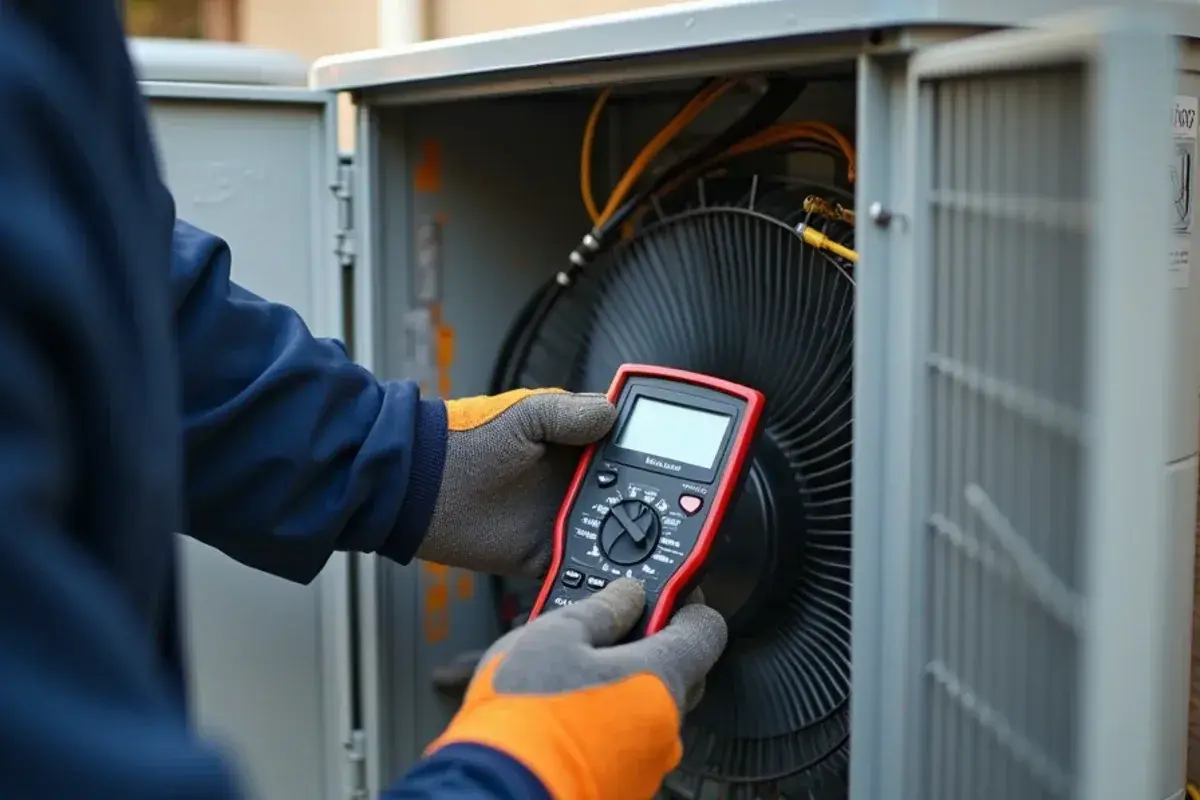
The capacitor is a small cylinder that gives the compressor and fan motor a jolt to start and keeps them running. Heat wears capacitors out, and South Texas summers are hard on them. If the outdoor fan blade is not turning while the unit hums, the capacitor or the fan motor is the usual suspect. The indoor fan may keep running, so it feels like the AC is on.
Turn the system off so the compressor does not overheat. Capacitors hold a charge even with the power off, so leave this one to a technician.
5. Low refrigerant from a leak
Refrigerant does not get used up. If it is low, there is a leak. Signs include warm air, ice on the larger copper line, a hissing sound, and a system that runs all day while bills climb. Adding refrigerant without finding the leak is a temporary patch.
Refrigerant leak repair means locating the leak, repairing or replacing the part, pulling a vacuum and recharging to the manufacturer's specification. Older systems using R-22 are expensive to recharge because the refrigerant is no longer produced in the US.

6. A frozen indoor coil
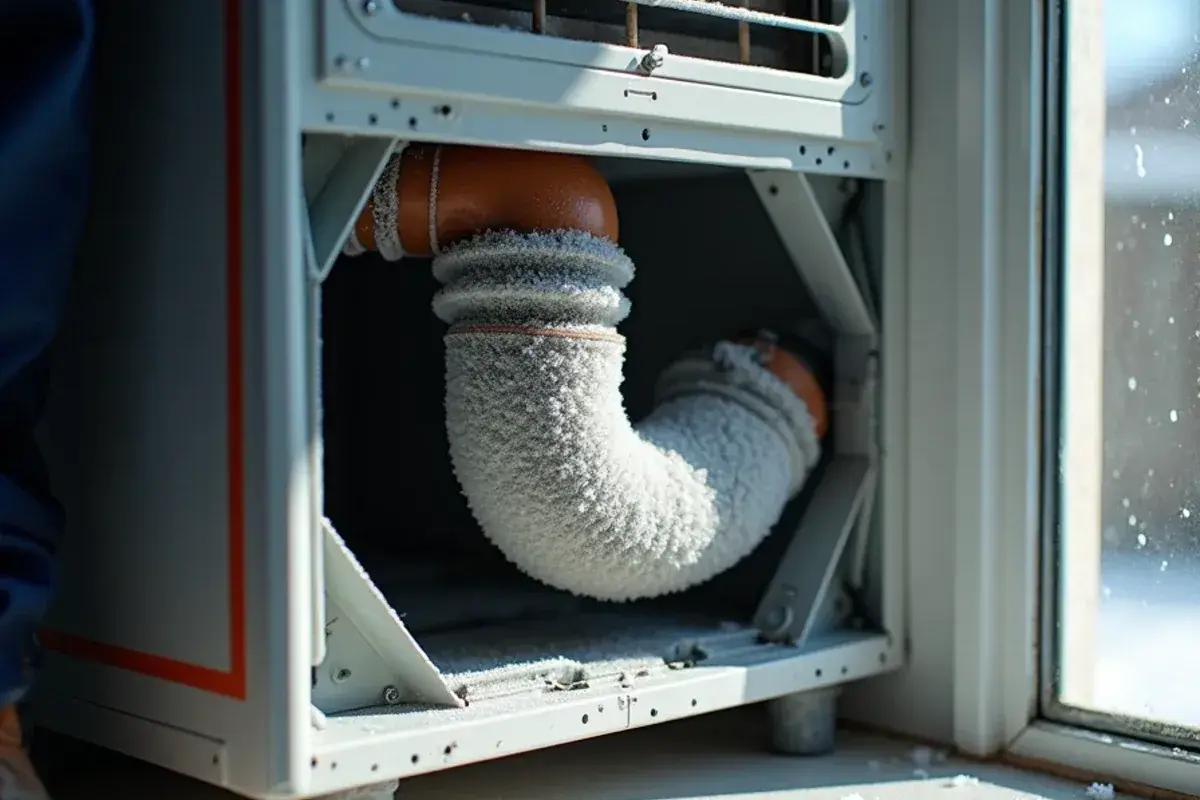
Low airflow or low refrigerant can drop the indoor coil below freezing. Ice blocks air from passing through, so cooling falls off sharply. You may see frost on the copper line outside or water around the indoor unit as ice melts.
Kill the cooling and let the indoor blower run alone for a few hours to thaw it. Then change the filter. If it freezes again, something else is wrong, usually refrigerant or a blower problem.
7. Leaky ducts or a system that cannot keep up
If some rooms cool and others never do, the ducts may be leaking cold air into a hot attic, crushed, or disconnected. By ENERGY STAR's estimate, leaks, holes and loose joints waste roughly a fifth to nearly a third of the airflow in a typical home's ducts, and in a South Texas attic that lost air is already cold air you paid for. A system that was undersized for the house, or one that has lost capacity with age, can also fall behind on 100-degree afternoons even when nothing is broken. In larger homes across McAllen, long attic duct runs over sun-baked roofs make this a frequent finding.

How a technician narrows it down, and when the answer is the house
The seven causes overlap, so a technician sorts them with a few readings rather than swapping parts. The order matters, because each answer rules out a whole group.
- Is the outdoor fan turning and the compressor running? A quiet compressor with a humming unit points straight to the electrical side: capacitor, contactor or the compressor itself.
- What is the airflow like? Filter, blower speed and a clean indoor coil come next. Poor airflow distorts every refrigerant reading taken after it.
- What is the temperature split? With good airflow, a small drop between return and supply air points to charge or compressor trouble. A normal drop with a warm house points away from the equipment.
- Where is the cold air going? A healthy split but rooms that stay warm sends the search into the attic: disconnected boots, crushed flex duct, missing insulation, or a return that pulls hot attic air.
When nothing is broken
Sometimes every reading is normal and the house still runs warm on a 100-degree afternoon. That usually means the home is gaining heat faster than the system was sized to remove it: unshaded west windows, thin attic insulation, a room addition tied into the original ducts. Replacing the AC with a bigger one is not automatically the fix. An oversized system cools the air quickly, shuts off before it pulls out much moisture, and leaves the house cool but clammy. Sealing ducts, adding attic insulation or shading glass often does more, and a proper load calculation should come before any change in size.
A house that feels sticky even when the thermostat is satisfied is a clue worth mentioning on the phone, because it points toward sizing or airflow settings rather than a failed part.
What a diagnostic visit looks like
When you book an AC repair visit, the technician should check airflow and the filter, test the capacitor and motors, read refrigerant pressures and temperatures, inspect both coils, and measure the temperature drop across the system. Expect them to explain what they found and what it will take to fix it before starting work.
Fix the simple things first
Check the thermostat, change the filter and rinse the outdoor coil. If the house still will not cool, turn the system off before a small problem turns into a frozen coil or an overheated compressor, and have it diagnosed. Most of these seven causes are straightforward to fix once they are found. If the house still is not cooling after the simple checks, call (213) 423-7827 and share your supply and return readings and what the outdoor fan is doing, so the technician arrives with a head start.