

A good commercial HVAC maintenance plan sets visits by how hard your building runs: quarterly for restaurants, markets and anything with grease or heavy refrigeration, twice a year for most shops and offices. Every visit should cover filters, coils, belts, electrical parts, drains and controls, and log readings for each unit.
That plan is a schedule and a checklist for every piece of cooling and refrigeration equipment your business depends on, built around your hours and your building rather than copied from a generic template. A taquería with a hot line and three reach-ins needs a very different plan from a boutique on a quiet street or a small medical office that cannot afford a muggy waiting room.
This article covers what a good plan includes for Valley restaurants, shops and offices, how often to schedule visits, and what to ask before you sign a service agreement.
Why commercial systems need more than a once-a-year check
Business equipment works harder than home equipment. Long operating hours, front doors opening hundreds of times a day, crowds, cooking, lighting and display cases all add heat. In the Valley, that load runs most of the year, and the hottest months line up with some of the busiest stretches for many businesses.
The cost of a breakdown also hits differently. A home AC failure is uncomfortable; a restaurant AC failure on a summer Friday can mean lost sales, staff heat stress and, if refrigeration goes too, discarded food. Scheduled maintenance is about avoiding those days.
Matching the visit schedule to your business
| Business type | Suggested visits | What wears equipment fastest | Focus areas |
|---|---|---|---|
| Full-service restaurant or taquería | Quarterly | Grease, heat from cooking, long hours | Coils, filters, drains, kitchen refrigeration |
| Bakery, café or food truck commissary | Quarterly | Flour or sugar dust, ovens, refrigeration | Filters, coils, reach-ins, ice machine |
| Retail shop or boutique | Twice a year | Door traffic, lighting heat | Filters, belts, coils, thermostat schedules |
| Office or bank branch | Twice a year | Long runtimes, dense occupancy | Airflow balance, filters, humidity |
| Medical or dental office | Quarterly or twice a year | Strict comfort and air quality needs | Filtration, drains, humidity control |
| Convenience store or small market | Quarterly | Walk-ins, reach-ins, ice, open coolers | Refrigeration coils, gaskets, temperatures |
These are starting points. A shop on a dusty lot or next to a field may need coil cleaning more often than the table suggests.
What each maintenance visit should cover
Cooling equipment
For rooftop package units, split systems and ductless heads, a thorough visit includes:
- Filter replacement with the right size and rating for the equipment.
- Cleaning or inspecting the outdoor condenser coil and the indoor evaporator coil.
- Checking belts, pulleys and blower motors for wear.
- Testing capacitors, contactors and electrical connections.
- Measuring refrigerant system performance and checking for oily spots that suggest leaks.
- Flushing condensate drains and checking pans and safety switches.
- Verifying thermostat schedules, setpoints and any economizer operation.
Kitchen and food refrigeration
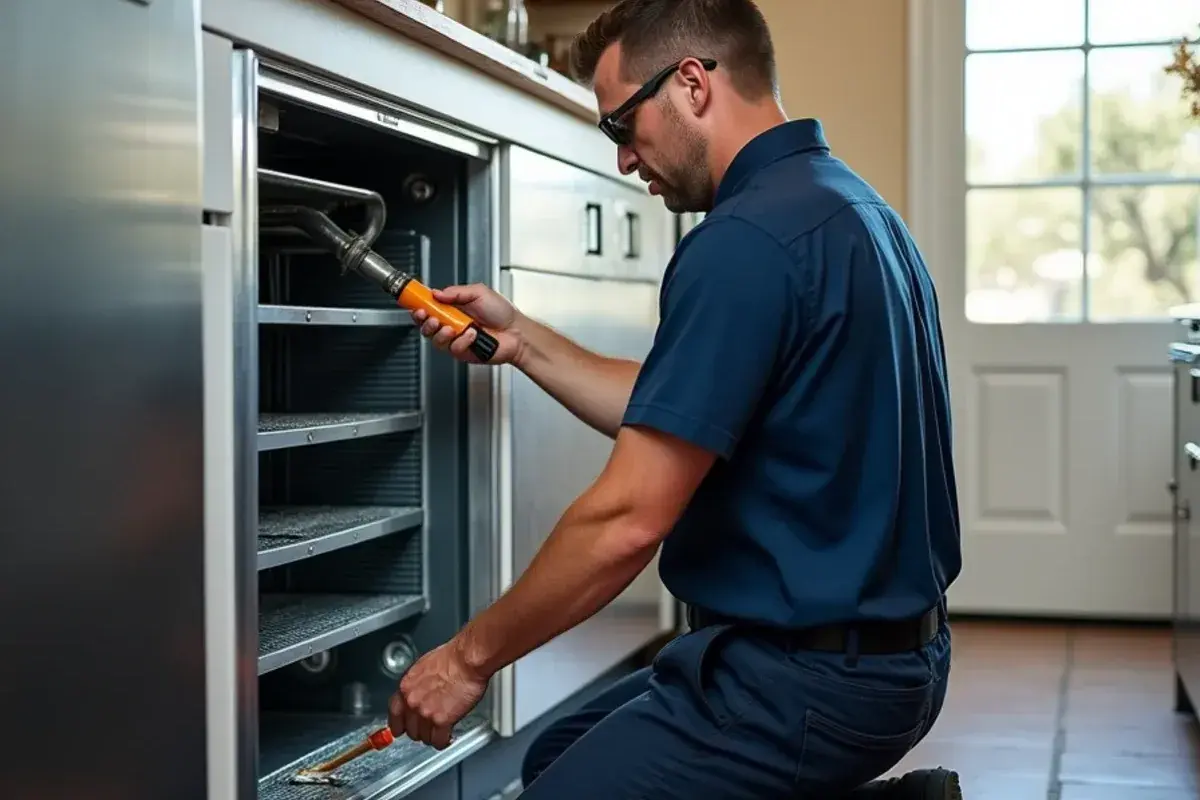
Restaurant HVAC maintenance should not stop at the air conditioning. Reach-in coolers, prep tables, walk-ins and ice machines share the same heat and grease. Their condenser coils clog quickly, door gaskets tear, and drain lines plug. If your plan covers commercial refrigeration on the same visit, one technician sees the whole picture.
Restaurant-specific issues
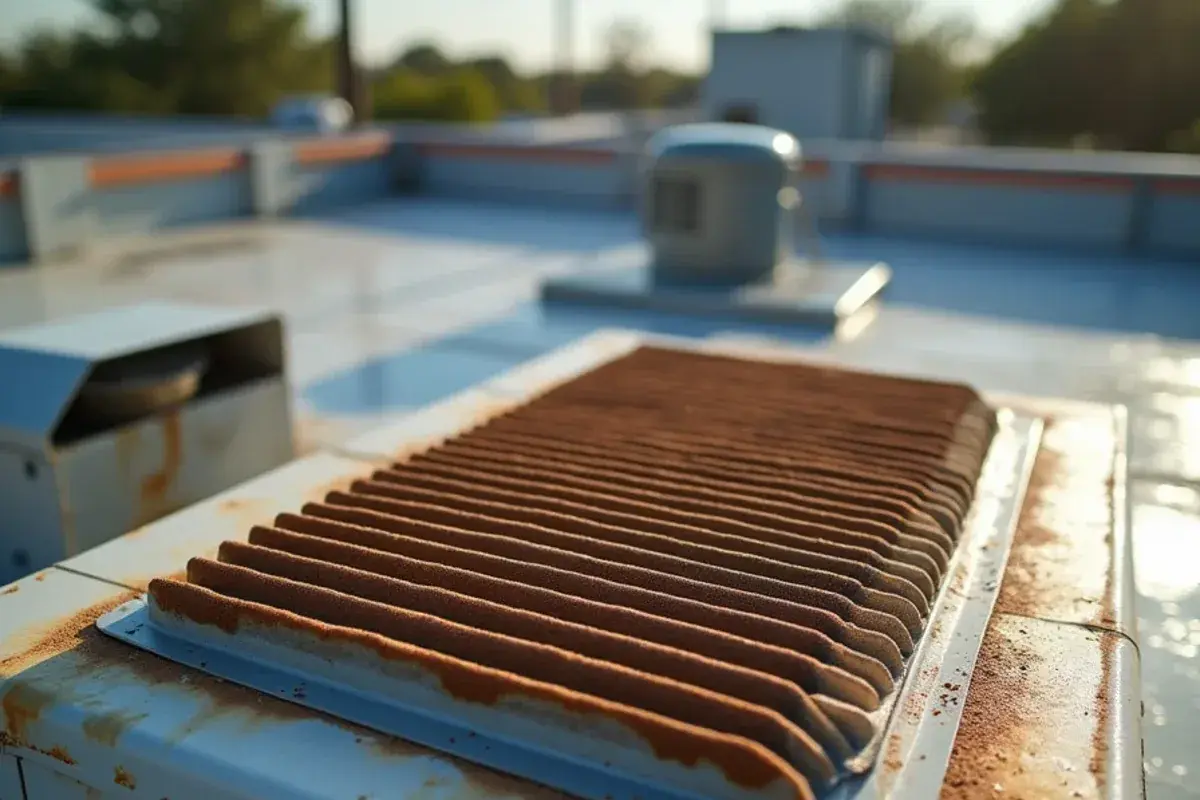
Grease from the kitchen exhaust settles on nearby rooftop coils and leaves a sticky film that catches dust. Make-up air (the outside air brought in to replace what the hood exhausts) changes how hard the cooling system works. If the dining room feels hot whenever the hood is running, the balance between exhaust and supply air may be off.
Records, inspections and paperwork
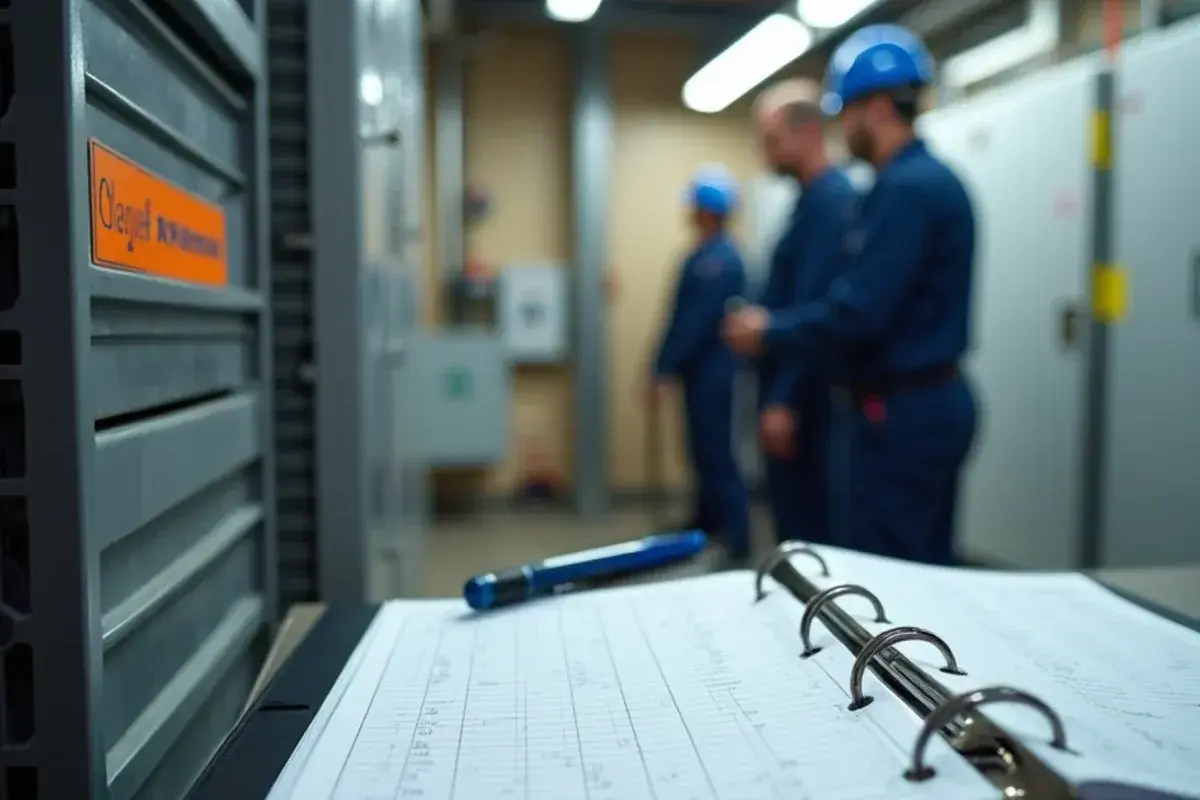
Keep a simple service log for each unit: date, tasks done, parts replaced, readings taken and anything flagged for next time. It helps in several ways:
- Health inspectors look at cold-holding temperatures; the FDA Food Code sets 41°F or below for cold holding, and well-maintained refrigeration is how you meet it day after day.
- Landlords and property managers often require proof that tenants maintain the equipment under a lease.
- Repair decisions become easier when you can see how often a unit has needed attention.
- Manufacturer warranty claims may ask for evidence of regular maintenance.
Older buildings and mixed equipment
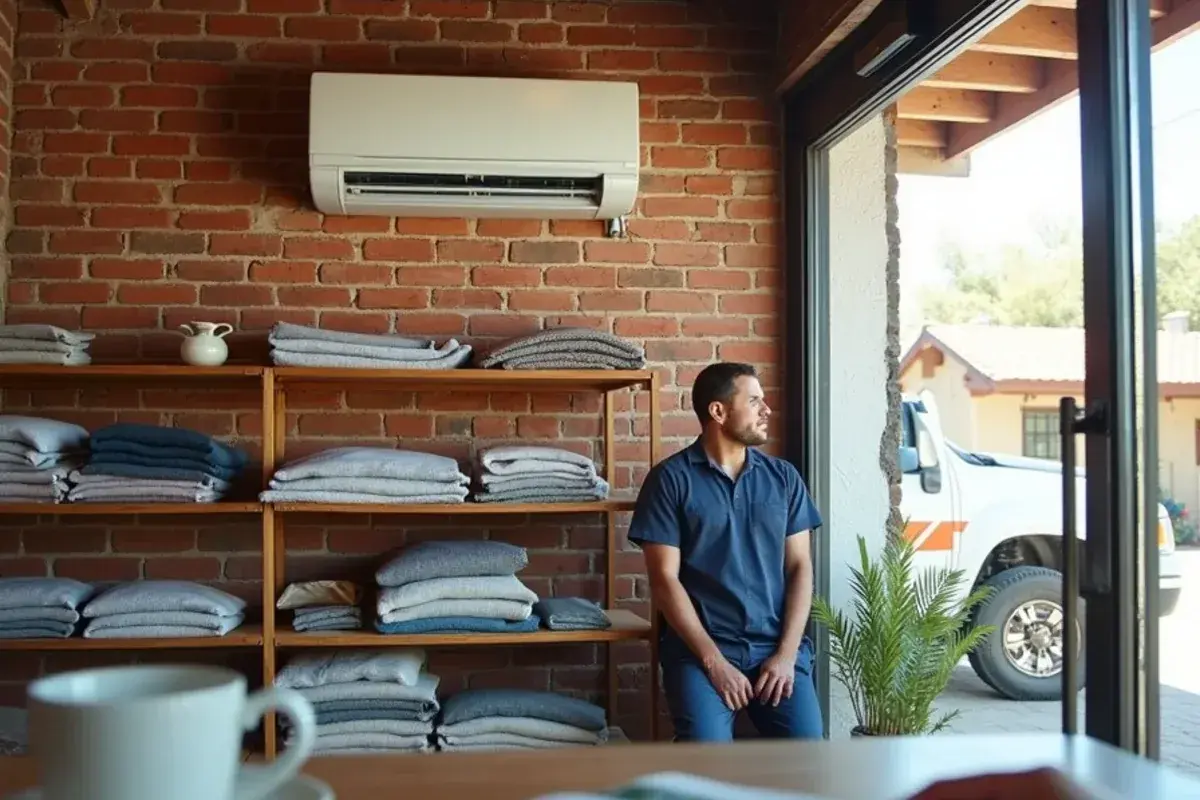
Many Valley businesses do not have one tidy rooftop system. A downtown storefront may have a single aging package unit, two newer mini-splits added later, and a window unit in the back office. Older brick and sandstone buildings in Roma and downtown Rio Grande City often use ductless heads because the walls make ductwork impractical. Those heads need their own cleaning schedule, since their blower wheels and coils collect dust and grow mold in humid weather.
Larger retail and office districts in McAllen lean heavily on rooftop package units, often several per building and of different ages. A plan for that kind of property should list each unit separately so its history stays clear.
Questions to ask before signing a commercial AC service agreement
- Which pieces of equipment are covered, listed by location and type?
- How many visits a year, and in which months?
- What exactly happens at each visit? Ask for the checklist.
- Are filters and coil cleaning included or billed separately?
- How are repairs found during a visit quoted and approved?
- Can visits be scheduled before opening or after closing?
- How will you receive the service records?
- Does the contractor hold a current TDLR air conditioning and refrigeration licence? You can verify any contractor's licence on the TDLR website.
Our HVAC maintenance plans can be set up for a single shop or several units, and our commercial HVAC service covers repairs between visits.
Reading the trend: what logged visits reveal
The most useful thing a maintenance visit produces is not a clean coil. It is a set of numbers you can compare with last quarter's. A technician who writes down the same readings on every unit, every visit, starts to see failures months before they strand you.
The readings worth logging on each cooling unit:
- Supply and return air temperatures, so a shrinking split shows up early.
- Compressor and fan motor amps, compared against the nameplate and the last visit.
- Refrigerant pressures with superheat and subcooling, taken on a warm enough day to mean something.
- Static pressure across the filters and coil, which shows a restriction before staff feel it.
- Capacitor readings, since a part testing weak in spring rarely survives August.
- Drain condition and safety switch test, noted as pass or fail.
The voluntary ANSI/ASHRAE/ACCA Standard 180 lays out minimum inspection and maintenance practices for commercial building HVAC and treats each component and the whole system together. Most small businesses never need a formal Standard 180 program, but the idea behind it holds: inspect on a schedule, record what you find, act on the trend.
Trade-offs to weigh honestly
- Preventive-only or full coverage. A preventive agreement pays for scheduled visits; repairs are quoted separately. Agreements that fold in repair labor or parts cost more up front and suit owners who want predictable budgets more than lowest total spend.
- Quarterly or twice a year. Two extra visits cost money. For a dry office on a paved lot they may not pay back; for a kitchen with grease on the roof they usually do.
- Higher filter ratings. A denser filter catches more, but on an older unit it can choke airflow and ice the coil. Match the filter to what the blower can handle.
- Night and early visits. Working before opening avoids disrupting customers, though roof work in the dark is slower and some tests need the building under a real load.
Between visits: a monthly check for staff
A manager can catch a lot with ten minutes a month and no tools:
- Note the thermostat setpoints and confirm the schedules still match your hours.
- Look at the filter dates on the log and flag any that are overdue.
- Walk past the indoor units and look for water, rust stains or a musty smell.
- Write the walk-in and reach-in temperatures down and compare them with last month.
- Listen at startup for squeals, rattles or a breaker that trips.
- Keep return grilles clear of stock, boxes and displays.
Anything odd goes on the log and gets a call, not a reset.
Cost factors for a commercial plan
The price of a plan depends on the number and type of units, how many visits a year, how easy the equipment is to reach (roof access, ladders, ceiling spaces), whether refrigeration is included, filter sizes and quantities, and how dirty the conditions are. A kitchen with heavy grease or a building on a dusty lot takes more labor per visit than a clean office.
Getting started
List your equipment, note the age and anything you know about past repairs, and think about the times of day when a technician can work without disrupting customers. With that in hand, a maintenance schedule can be set up that fits your business and catches problems on a calm weekday instead of during your busiest hour. Call (213) 423-7827 with your equipment list and opening hours, and we will talk through a visit schedule that suits your building.