

A heater burning smell the first time you switch on the heat is usually dust burning off the heat strips or furnace burners, and it should fade within about an hour of run time. Hot plastic, rotten eggs or smoke that keeps coming are not normal: shut the system off, and get everyone outside for a gas smell.
A first-night heater odor is one of the most common calls in the Rio Grande Valley, because most homes here go eight or nine months without touching the heat. Dust settles, the first norther arrives, and the house smells like a toaster. Most of the time that is harmless. Sometimes it is not, and the difference is in what the smell actually is and how long it lasts.
Why the first heat cycle smells scorched
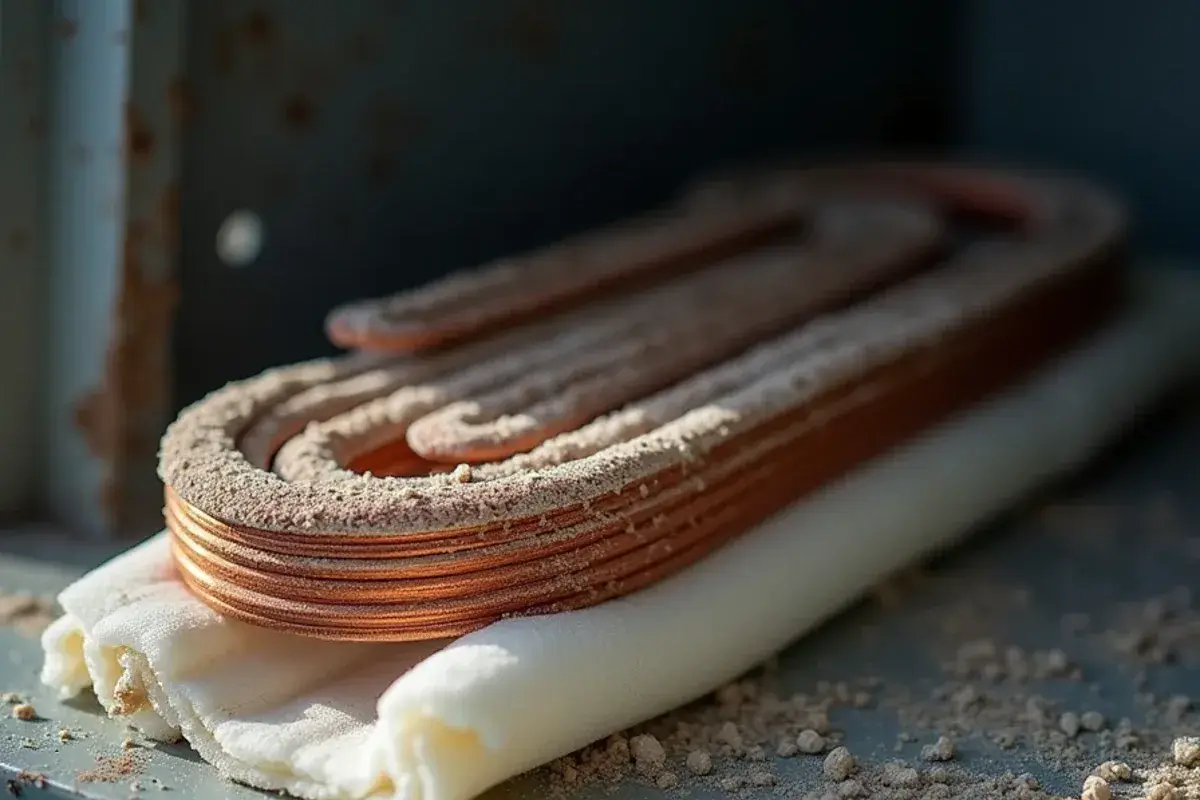
Many houses between Rio Grande City and McAllen heat with electric heat strips: bare coils of resistance wire in the indoor air handler, right in the airstream after the blower.
All summer those coils sit cold while the blower pushes air across them for cooling. Fine dust that slips past the filter lands on the coils and the metal around them. In homes on caliche roads, like many around Valle Vista, that dust load can be heavier than usual. When the strips fire for the first time, the dust burns off. That is the heat strip burning smell people describe as dusty, toasty or like a hair dryer.
Gas furnaces do the same thing. Dust collects on the burners and heat exchanger, and the furnace smell the first time it lights is mostly that dust cooking away.
Signs the smell is just dust
- It starts within a minute or two of the heat coming on.
- It fades noticeably within the first hour of run time.
- There is no visible smoke from the vents and no breaker trips.
- It does not come back with the same strength the next day.
If all four are true, open a window, let it burn off, and change the filter if it has been a while. A clean filter also keeps the next season's smell lighter.
A smoke alarm in the hallway may chirp or sound during that first burn-off, since it reacts to the same fine particles your nose does. Ventilate and let it clear, but never pull the battery or take the alarm down to get through the night. If it keeps sounding after the dust smell is gone, treat it as real.
Matching the smell to the cause
Not every heater odor is dust. The table sorts the common ones by cause and urgency.
| What you smell | Likely source | What to do |
|---|---|---|
| Dusty, toasty, burnt hair | Dust burning off heat strips or furnace burners | Normal if it fades within about an hour |
| Light oily or chemical odor | Factory oils on a new coil, heat kit or furnace | Normal for the first few days on new equipment |
| Hot plastic, melting wire, fishy | Overheated wiring, a failing motor, a loose terminal | Turn the system off now and call for repair |
| Rotten eggs or sulfur | Natural gas or propane leak | Leave the house and call 911 or your gas utility from outside |
| Musty, damp, "dirty socks" | Mold or bacteria on the indoor coil or in the drain pan | Not urgent, but schedule a coil and drain cleaning |
| Smoke or soot near a gas furnace | Poor combustion or a blocked flue | Turn the furnace off and have it inspected before using it again |
| Something burnt that smells like fabric or paper | Items stored against the air handler or a furnace | Shut off, clear the closet, check for damage |
Electrical smell from vents: shut it off first
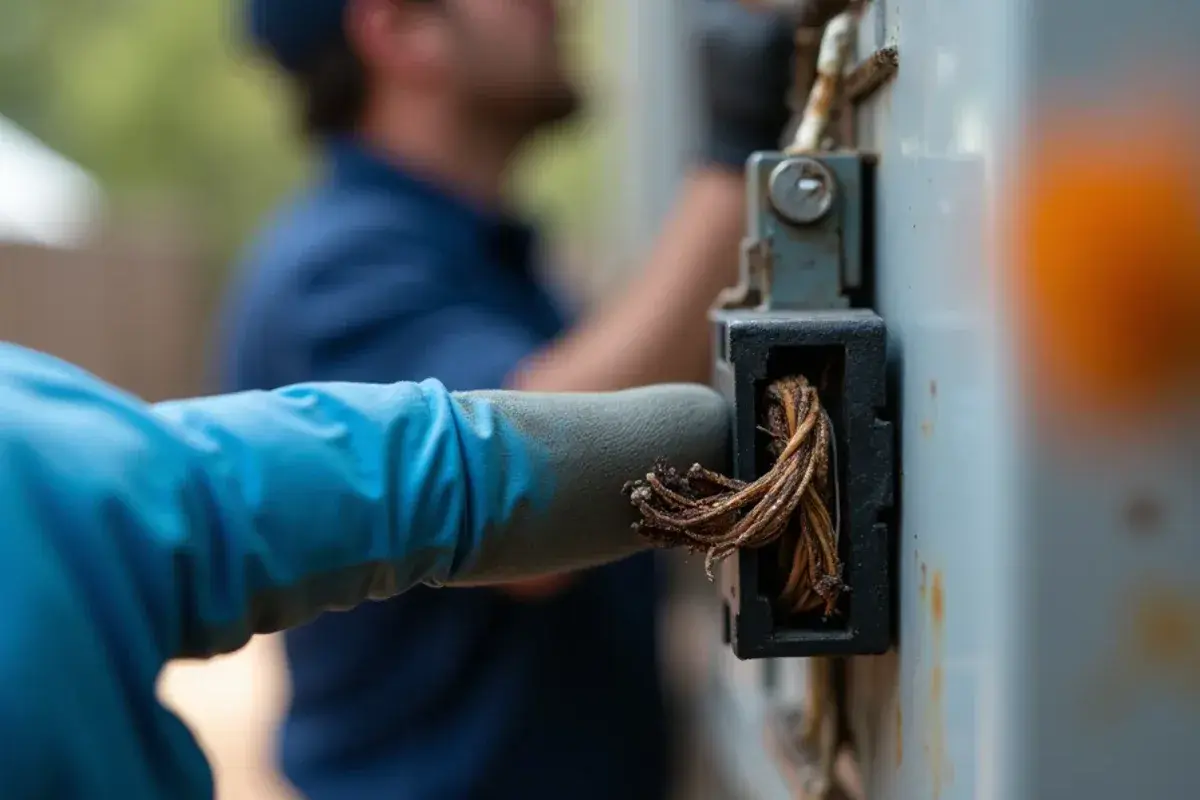
A sharp, acrid smell of hot plastic or burning insulation is a warning, not a nuisance. With electric heat, the most common causes are a loose or corroded wire terminal at the heat kit breaker, a burnt sequencer (the switch that brings the heat strips on in stages), a failing blower motor, or a broken element touching the metal housing.
Do these in order:
- Turn the thermostat to off.
- Switch off the breaker for the air handler or furnace at your panel. Heat kits often have their own breaker, so turn off every one labeled for the system.
- If you see smoke or flames, get everyone out and call 911.
- Do not turn the heat back on to "see if it does it again."
A heating repair visit for this kind of smell starts with the power off. The technician opens the heat kit, looks for discolored terminals and melted insulation, measures each element's resistance, and checks the amp draw on every stage once it is safe to power back up. A burnt lug may be the only damage, or a sign of a breaker overheating for several winters.
Gas smell from a heater: get out, then call
Natural gas and propane have no smell of their own. Suppliers add a sulfur compound so a leak smells like rotten eggs. If you notice that smell anywhere near a gas furnace, wall heater or water heater:
- Leave the house right away and take everyone with you, pets included.
- Do not flip light switches, unplug anything, or use a phone inside.
- Once you are outside and away from the house, call 911 or your gas utility's emergency line.
- Do not go back in until the utility or fire department says it is safe.
An HVAC contractor is not the first call for a gas leak; the utility or fire department secures the gas, then the appliance gets repaired.
Carbon monoxide has no smell at all
Carbon monoxide (CO) is the gas a furnace produces when burning goes wrong, and you cannot smell it. A sooty odor or a yellow, lazy flame can hint at bad combustion, but the only reliable warning is a CO alarm. Headaches, dizziness, nausea or confusion that improve when you leave the house are classic signs. If an alarm sounds or anyone has those symptoms, get everyone into fresh air and call 911.
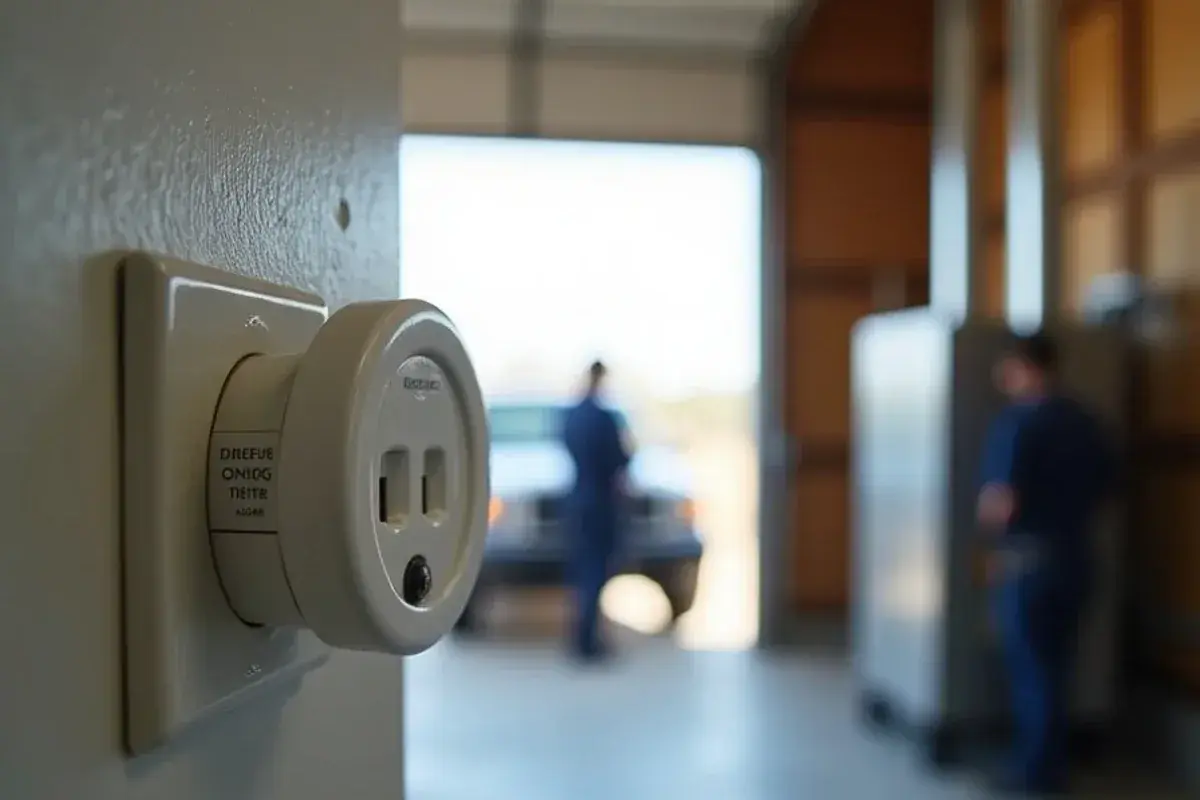
The U.S. Consumer Product Safety Commission recommends a CO alarm on each level of the home and outside sleeping areas. In a one-story Valley house with the furnace in the garage, that usually means one in the bedroom hallway and one near the door into the garage.
Heat pumps have their own odors
A heat pump heats by running the cooling cycle in reverse, so it does not burn dust the same way unless its backup heat strips kick in. What heat pump owners usually notice is a musty smell. That comes from the indoor coil and drain pan, which stay damp all summer and can grow mold or bacterial film. When warm air passes over that damp surface in winter, the odor gets pushed into the house.
Steam from the outdoor unit on cold mornings is the defrost cycle melting frost, and it does not smell. Smoke with a burning odor from the outdoor unit is a different matter: turn the system off at the breaker and call.
What does a technician check when the smell won't clear?
A smell that outlasts the first hour is a clue, not a diagnosis. On an electric heat call the checks run in a set order.
- Power off, panel open, eyes first. Browned terminals, melted wire jackets, a sagging element or soot on the housing show where heat has been building.
- Resistance on each element. A meter across every strip shows whether one is open or shorted to the metal frame.
- Sequencers and relays. These switches stage the strips on one at a time. A sticking one can leave a strip energized with no blower running.
- Amp draw per stage. With power back on, the technician reads current on each strip and compares it with the nameplate.
- Airflow and temperature rise. A thermometer at the return and at a supply register shows how much the air warms. Too much rise usually means low airflow: a dirty filter, a weak blower capacitor or closed registers.
- Limit switch. If the high-limit is tripping, the strips are running hotter than they should, and the cause is almost always airflow.
On a gas furnace the checks shift to the flame color, the flue draft, the burners and a careful look at the heat exchanger, plus a CO reading in the supply air.
The honest trade-off comes at the end. A single burnt sequencer or a scorched lug is a small repair. If several elements are worn, the terminal block is cooked and the kit is original to an older air handler, replacing the whole heat kit can make more sense than chasing parts every winter. You should hear both options, with the readings that led to each, before any work starts.
A simple heater safety check before the first norther
A short heater safety check in October can take most of the surprise out of that first night.
- Run the heat once on a mild afternoon. Let the dust burn off with the windows open, not at 2 a.m. when it's 38 degrees outside.
- Change the filter. A clogged filter makes heat strips run hotter and can trip their safety limit.
- Clear the closet. Air handler and furnace closets tend to collect brooms, boxes and laundry. Keep everything well away from the unit.
- Test smoke and CO alarms. Press the test button and replace batteries as needed.
- Listen at the breaker panel. A buzzing or warm breaker is worth a call.
For a broader look at what a seasonal check covers for strips, heat pumps and gas furnaces, see our heating services overview. We cover homes across Hidalgo County, including Donna, along with Starr County communities closer to our Rio Grande City base.
Putting it together
Treat the first heater smell like a short test. Dusty and fading means the system is cleaning itself, so ventilate and move on. Electrical or hot plastic means power off at the breaker and a repair before the next use. Rotten eggs means everyone outside and a call to 911 or the gas utility. Not sure which one it is? Leave the heat off until someone can look at it. If the odor is electrical or simply won't fade, call 956 Multi Service at (213) 423-7827 with the town and a description of the smell, and we can talk through the first checks on the phone.